






Gaming is a trend-based medium. Often, when a hit game turns into a generational success story, you can see it shape the industry in real-time as studios try to copy its notes. In recent history, we’ve seen that with an influx of two types of games: open-world games and Soulslikes.
While both of those are still very much in fashion, 2026 has seen an unexpected trend shift: Straightforward action games are having a moment. Some of the year’s best, or at least most high-profile, games are trading in vastness and RPG customization for something more focused. Call it a throwback to an older era of gaming, but it’s a welcome shift for anyone who has been put off by how demanding big-budget games have become over the years.
That charge is being led, in no small part, by Capcom. The publisher has had a statement year by releasing hit after hit that buck conventional wisdom. Rather than going big for Resident Evil Requiem, for instance, Capcom delivered a lean 11-hour game. Half of that is a straight-up action shooter, as Leon S. Kennedy blasts his way through a compact slice of Raccoon City. Not a second of gameplay goes wasted, nor is any single idea repeated more times than it needs to be.
That same philosophy powers Pragmata. Capcom’s unique action-hacking game drops you into six straightforward levels, each with a little room for exploration, and puts the focus squarely on toying with the combat. You can upgrade protagonist Hugh’s suit and abilities, but there’s not a lot of RPG depth to get lost in. It’s a momentum-driven game that sends you hurtling through its 12-hour story and gets you out before the shooting gets old.

The closest Capcom’s slate has skewed towards modern trends has been in Onimusha: Way of the Sword. Its tough, parry-heavy combat approaches FromSoftware territory, and its Japanese hub town can be considered a small open-world. But even then, Onimusha is largely committed to linear level design when it comes down to its core quests (though it is worth noting that Onimusha is about twice as long as Pragmata and Requiem, and wears thin in its back half as a result).
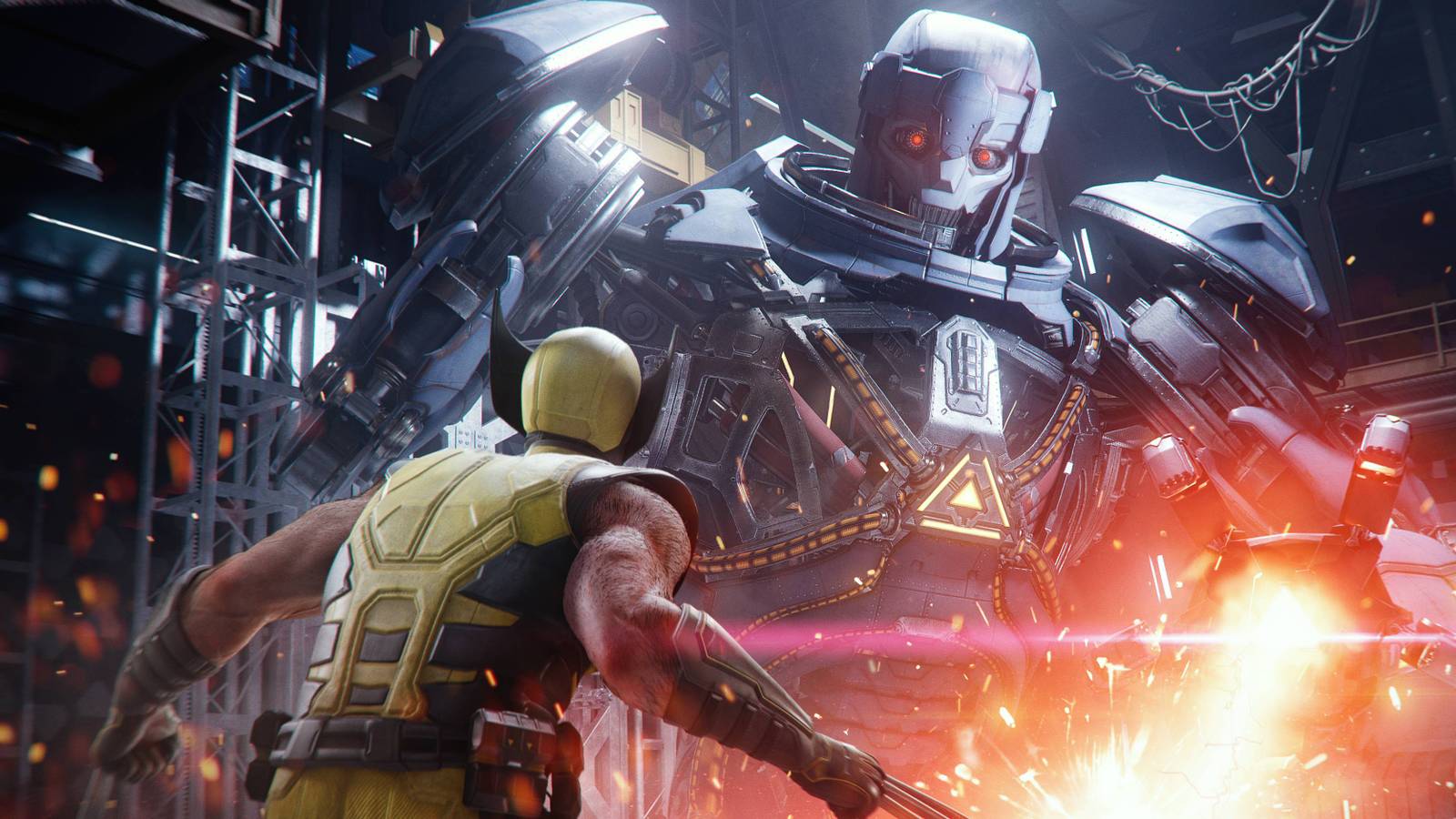
It’s not just Capcom that sees the value in a tighter kind of game. Marvel’s Wolverine is a surprisingly linear game for Insomniac considering it has spent the better part of a decade chasing open-world design in its Spider-Man series. Though Wolverine has its problems, Insomniac’s no-bullshit adherence to old-school genre traditions are refreshing. You can slash your way through the story in 15 hours without distractions getting in the way of the hack-and-slash combat. Even the game’s various collectibles, like its litany of whisky bottles, don’t require going too far off the beaten path.
There are plenty more examples like this in contrast to some of this year’s open-world games like Nioh 3 and Crimson Desert. Resonance: A Plague Tale Legacy keeps it tight in its 12-hour runtime, making sure its stealth-infused take on Uncharted-style action doesn’t overstay its welcome. 007 First Light is a little wide in scope and genre, but it’s still a concentrated stealth-action game compared to some of its peers. Even Microsoft going back to the well for Halo: Campaign Evolved after Halo Infinite’s open-world experimentation feels like a return to a time when an action game was a short thrill you wanted to replay, rather than a multimonth commitment. In fact, the fundamental design of Halo: Campaign Evolved encourages multiple playthroughs with its “campaign remix” mode, which randomizes enemies and weapon placements.
Maybe it’s a coincidence that all these games landed at the same time, but I hope it’s a sign of things to come. I’ve long missed the heyday of tight action games, where you could play something like Viewtiful Joe in a weekend binge. (Note to Capcom: Give Viewtiful Joe an Onimusha-style revival next!) I can’t say that I feel the same way about any long action RPG that requires me to set aside a lot of time and mental energy. I’ll take a compact game that I want to revisit like a comfort movie over something great that I’ll never touch again.