




![1st Apr: It Takes a Village (2026), 1hr 36m [TV-PG] (5.6/10)](https://occ-0-8164-92.1.nflxso.net/dnm/api/v6/Qs00mKCpRvrkl3HZAN5KwEL1kpE/AAAABSI4kBfQQ2--yKO4uIcfQwbfXFPHuzp5qSaDvUVeTuVsTuG_1WKGgpN2WuZg7X_D1JKOuPkkJZaXL5_Umm1yO_NWu_deQbHtWUH4lHGTGCrG6Ivcv4lB4pJmjyX9aaA6AJrJJrmRQmn72cZFZdSjOQ51P3gFTv4Rn62B9MTLIjBVNQ.jpg?r=ef7 "1st Apr: It Takes a Village (2026), 1hr 36m [TV-PG] (5.6/10)")




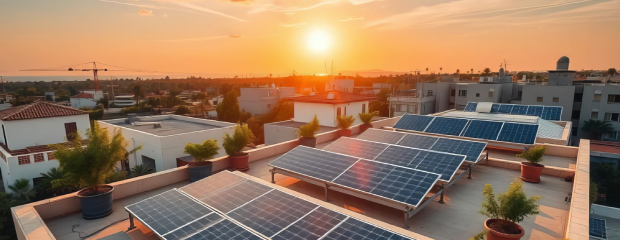
Evolving trends and the growing impact of climate change have made sustainability a key consideration for modern travelers. More than 80 percent of vacationers believe that environmentally responsible travel is important. Embracing eco-friendly practices not only supports a healthier planet but positions your property to engage this increasingly conscientious market segment.
Understandably, many hoteliers express concern about costs associated with sustainability initiatives. With tight margins and competing operational priorities, eco-friendly upgrades can feel like a significant upfront investment, even when they deliver long-term savings. Here’s how to balance sustainability and profitability in a way that boosts guest satisfaction without sacrificing your bottom line.
Implement Simple Fixes
Don’t despair if major upgrades aren’t in the budget right now. Small, cost-effective changes can still reduce your effect on the environment while enhancing your image in the eyes of eco-conscious guests.
In the kitchen: Reducing food waste lowers both operational costs and environmental impact. By purchasing only what’s needed, your property operates more efficiently and sustainably. Consider plated meals instead of buffets (buffets encourage overserving) and track food guests typically leave uneaten to identify opportunities to refine your menu.
Implementing a structured inventory management system helps maintain optimal stock levels, preventing overordering. It’s also important to store food correctly to prevent spoilage waste. A comprehensive kitchen audit is helpful for revealing inefficiencies and areas for improvement—a time investment that yields valuable insights without adding expenses.
LED lights: This simple fix delivers long-term energy and cost savings. LED bulbs consume up to 90 percent less energy than traditional lighting, cutting the average household’s annual energy bill by approximately $225. Imagine the potential savings for a hotel property with dozens—or even hundreds—of rooms!
Water conservation: You can conserve water without major investments in new equipment or infrastructure by encouraging guests to reuse towels, just as they would at home. Before implementing this program, however, it’s important to collaborate with your housekeeping team, as reduced laundry loads may impact their workflow or compensation structure. For properties facing staffing challenges, this initiative eases workloads while supporting sustainability goals.
Additional water-saving opportunities include energy-efficient laundry machines, dual-flush toilets, and low-flow showerheads. These upgrades can significantly reduce consumption, though guest comfort should remain priority, so select high-quality fixtures that balance efficiency with an enjoyable experience.
Less plastic: There are plenty of options to reduce plastic use and thereby make a positive, sustainable first impression. Guests notice plastic in the room—or lack thereof—right away. Small plastic toiletry bottles, single-use water bottles, and plastic straws should be phased out. (You don’t need to replace plastic straws with paper; a plain glass will suffice unless you’re serving young children.)
Contactless check-in not only streamlines operations but supports sustainability efforts by eliminating plastic keycards. The convenient, touch-free experience enhances guest confidence and satisfaction, particularly in the post-pandemic travel landscape, where 71 percent of guests now prefer properties offering this option. By attracting guests and improving efficiency, this technology offsets its implementation costs and contributes directly to a stronger bottom line.
Invest in digital entry technology that delivers unique access codes or leverages a mobile app, transforming each guest’s smartphone into their room key. WebRezPro Property Management System integrates with leading keyless access solutions, including RemoteLock, OpenKey, Goki, and others, for a fully modern, contactless experience.
Use Smart Technology
Smart technology, such as automated heating, cooling, and lighting systems, enables hoteliers to optimize energy consumption by adjusting usage when rooms are unoccupied. This intelligent automation not only reduces waste but decreases operational costs as well. A Honeywell networked energy management system can deliver energy cost savings of up to 40 percent.
Actual results vary depending on the property’s unique circumstances and specific system selected. As with any major investment, conduct thorough research to ensure compatibility with your existing technology. Systems that don’t integrate seamlessly lead to inefficiencies and frustration for both staff and guests.
It’s also important to allow guests to manually adjust automated temperature and lighting settings if necessary for a comfortable stay.
Conduct Regular Maintenance
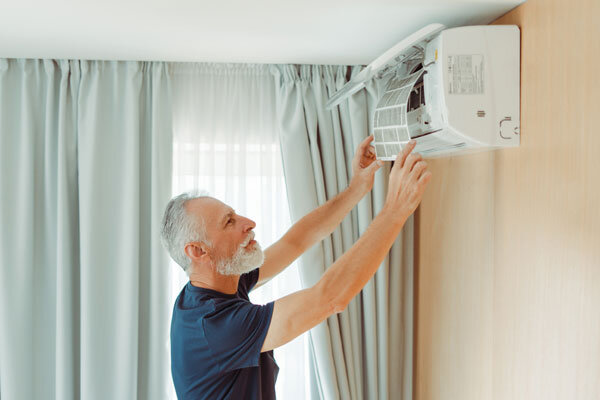
Although routine maintenance may not be the most glamorous sustainability initiative, it remains impactful environmentally and financially. A well-maintained HVAC system, for example, can operate up to 30 percent more efficiently, reducing energy consumption and minimizing costly repairs. Proactive upkeep also helps prevent unexpected failures that can lead to facility closures or out-of-order rooms, protecting valuable revenue.
Schedule comprehensive system audits and maintenance during the off-season so that your property runs smoothly year-round.
Apply for Grants and Tax Breaks
Your guests aren’t the only ones investing in a more sustainable future; governments and local agencies are too. Many offer grants and incentives to support businesses committed to reducing their carbon footprint. These opportunities can make major upgrades, such as solar panel installations, accessible and affordable.
Explore grant opportunities available within your locality—competition is often less intense, increasing your chances of success. When preparing your application, keep in mind the “12-12-12” rule (imagine your reviewer reading it at midnight, after a twelve-hour workday, at the bottom of a stack of twelve proposals). Clarity is key. Whether or not you use AI tools to help, focus on communicating your message concisely and without jargon.
It’s also worth reviewing tax regulations to identify incentives or deductions that could support sustainability initiatives. The advantage of these tax breaks is that there’s no competition involved. If your property qualifies, and you claim them properly on your return, the benefits are automatically yours.
How Your PMS Can Help
A property management system (PMS) automates communications, reports, guest registration, and other routine tasks that would otherwise be recorded on paper, protecting forests while decreasing printing costs.
But if your PMS is cloud based, you’re even further ahead. While pricing between cloud and on-premise systems is often comparable, traditional server-based setups can be costly to maintain and consume significantly more energy. Moving to a cloud-based PMS reduces operational expenses and lowers environmental impact, making it a smart choice for both your business and the planet.
As your property’s technological hub, the PMS plays a central role in driving both operational efficiency and sustainability. A robust, connected system allows you to integrate environmentally conscious, cost-saving technologies—such as keyless entry and smart automation—across your operations.
WebRezPro supports over 150 integrations with leading hospitality software solutions, empowering you to build a customized, future-ready tech ecosystem. And if your preferred integration isn’t yet available, our team is happy to collaborate directly with the provider to explore development opportunities, ensuring your system continues to evolve with your property’s needs.
Sustainability isn’t necessarily the enemy of profitability. In fact, the two go hand in hand. By implementing eco-friendly initiatives, your property can decrease costs, appeal to today’s environmentally conscious travelers, and strengthen brand loyalty.


