


![4th Oct: Ice Age: Continental Drift (2012), 1hr 31m [PG] – Streaming Again (6.25/10)](https://occ-0-171-92.1.nflxso.net/dnm/api/v6/0Qzqdxw-HG1AiOKLWWPsFOUDA2E/AAAABbdgWGsnrUdzo8Jq2Osc-ljBSGHTR91UUENYeYKZghtEl4ScHU9xu-pS0TxuQ4Gjd9aMEh7zjX1ipHGHplKD5mYYhR3tVcS2b5EE.jpg?r=ca9 "4th Oct: Ice Age: Continental Drift (2012), 1hr 31m [PG] – Streaming Again (6.25/10)")


Picture Credit: Netflix
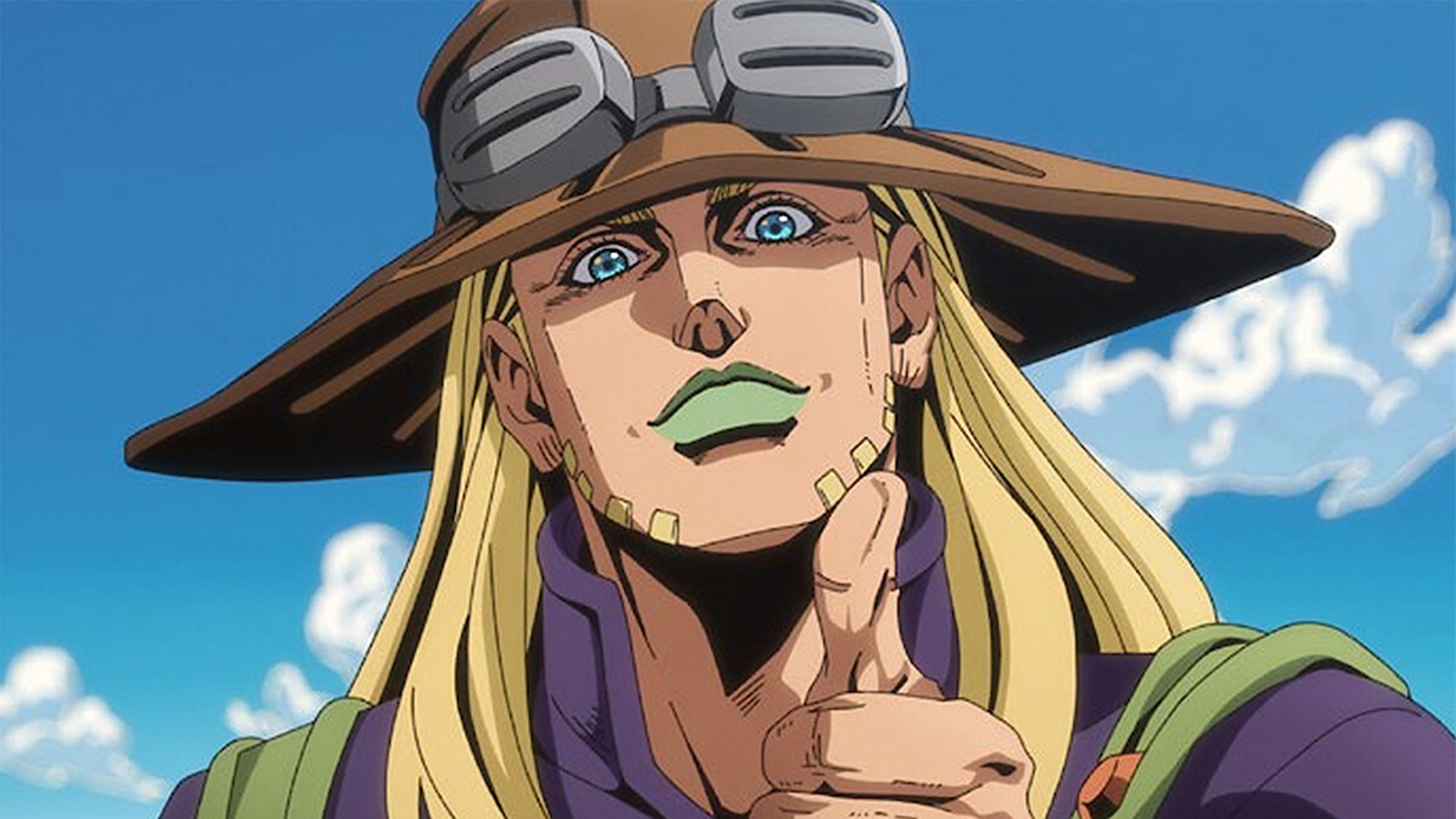
Episode 1 of Steel Ball Run was a triumph. A double-sized premiere that welcomed fans old and new into the world of JoJo’s Bizarre Adventure, a world full of hyper-stylized characters that look like NFL quarterbacks despite being 14 years old, a world of powers weirder than any Marvel mutant, a world where almost every name is a reference to popular music (there are nods to everything from Simon & Garfunkel to Prince in the early episodes). What makes Steel Ball Run particularly exciting is how standalone it is, as it is set in an entirely different timeline than previous seasons, with a cast of new characters unrelated to what’s come before (while still being very much set in the same world and with plenty of references to popular characters).
The Race is On: Entering the Arizona Desert
The first episode set up the world of the show and its premise — it’s 1890 in the United States, and an eccentric millionaire has set up a cross-country horse race with a $50 million prize. Now that introductions are out of the way and the first stage of the race is done, episodes 2 and 3 enter the second stage of the contest, a race across the hazardous Arizona desert. It is here that Steel Ball Run fully reveals what kind of show it is, and why you should add it to your weekly viewing schedule.
A Refreshingly Bizarre Episodic Formula
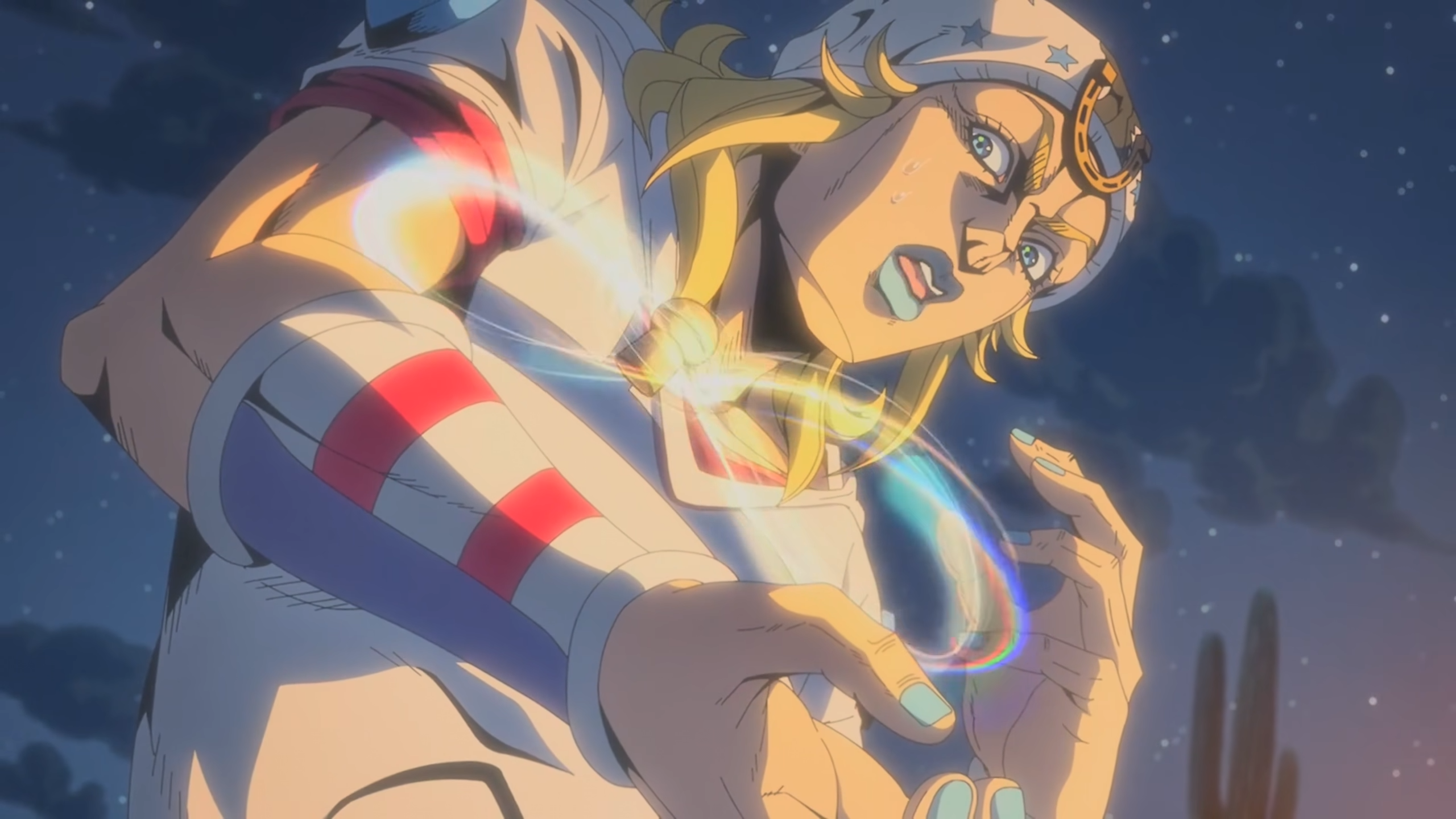
You see, these two episodes make it clear that, much like past JoJo’s Bizarre Adventure seasons, Steel Ball Run is very much an episodic show, with every episode telling a clear and self-contained story with a simple and singular problem that gets resolved in the episode, while still building an overall narrative. Episode 2 mostly focuses on protagonists Johnny Joestar (the titular JoJo) and Gyro Zeppeli deciding to team up in the race, and their encounter with Mrs. Robinson, who uses vibrations from insects hidden inside his body in order to trigger cholla cactus needles to shoot at his targets. Episode 3, then, focuses on Johnny and Gyro having to face off against and defeat the Boomboom family, whose Magneto-like powers allow them to manipulate iron. The episodic formula is a rarity in today’s television landscape, especially in anime, where serialization and worldbuilding are key. Having these episode be self-contained is refreshing and key to the appeal of Steel Ball Run.
Juggling Genres: Western Thrills and Body Horror
This format also allows the show to juggle a bunch of tones and different storylines. This is a spaghetti Western-inspired story with a race as the main plot, but episode 2 also introduces a murder mystery, while episode 3 brings in a fair dose of body horror thanks to the Boombooms’ powers — even if it’s hilarious how this franchise treats injuries like minor inconveniences. Each villain introduced so far is well-designed and appropriately bizarre, with memorable looks and strange abilities. Episode 3 in particular does a good job of setting up the power system of the show, bringing back the Stand system from past seasons while teasing this show’s different take on them — as they seem to be connected to Americana lore.
The Outro Controversy Overshadowing the Premiere
Of course, it’s impossible to talk about the debut of Steel Ball Run without addressing the elephant in the room: the ending theme controversy that has been dominating social media. In a frustrating break from JoJo tradition, the anime ditched the practice of licensing period-appropriate classic Western music (sorry, “A Horse With No Name” fans) for an original track by Japanese rapper Yuki Chiba, titled “Shinukaikiruka”. However, the genre shift is only half the issue. The real fan outrage stems from the track being produced by Dr. Luke, whose highly publicized legal history regarding sexual assault allegations has left viewers demanding the song be scrapped. While fans have flooded Netflix’s replies in protest, it’s worth noting that creative choices like this lie entirely with Warner Bros. Japan and the production committee, not Netflix itself. Still, it’s a glaring misstep that has momentarily distracted from an otherwise stellar premiere.
Picture Credit: Netflix
Why ‘Steel Ball Run’ is a Fall Must-Watch
Despite the online drama, now that we’re past episode 3, Steel Ball Run has fully established its formula and what you can expect from this show on a weekly basis. It’s clear there are still plenty of mysteries and big lore reveals to come, but this is also just a rather entertaining show about facing increasingly bizarre villains with strange powers every week while traversing the United States on horsebacks. That the opening theme song sequence teases a velociraptor power is enough to make this a must-watch anime for the fall season.