


![22nd Sep: Dil Chahta Hai (2001), 3hr 4m [TV-14] – Streaming Again (7.05/10)](https://occ-0-1508-92.1.nflxso.net/dnm/api/v6/0Qzqdxw-HG1AiOKLWWPsFOUDA2E/AAAABcjKq66srRNoxTisdrWjIumvZYL1lzn3DOTntJ_DLAmgSLkb_QFDxVUbeZFm60ldeP59vpwWlo47XYukqb5qNdm2v80JbJNexlDD.jpg?r=adc "22nd Sep: Dil Chahta Hai (2001), 3hr 4m [TV-14] – Streaming Again (7.05/10)")




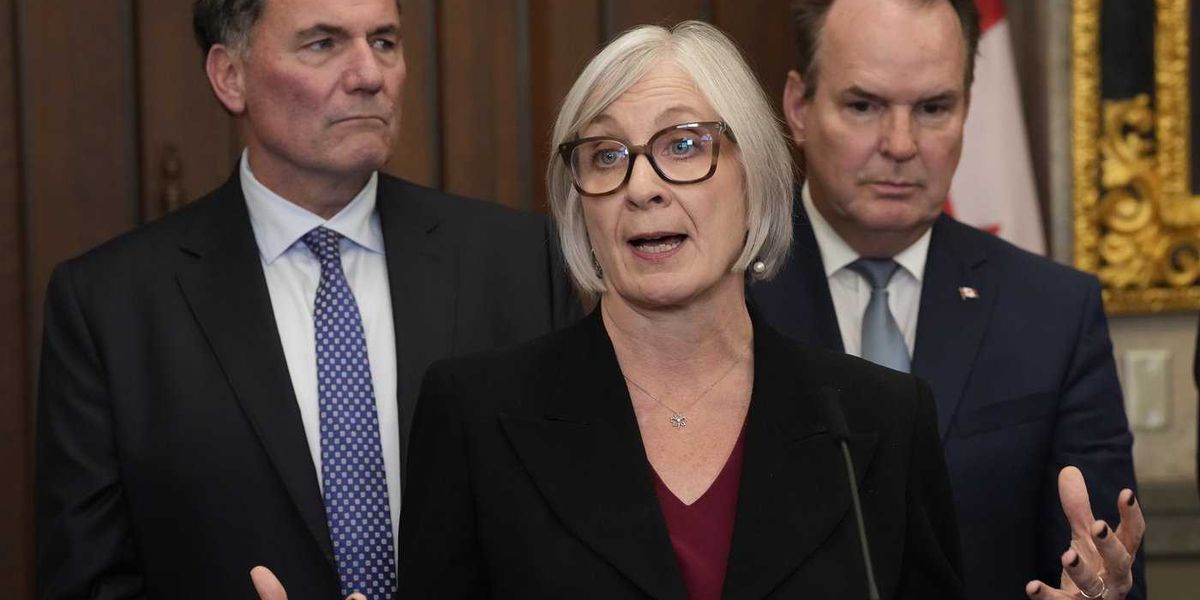
The federal jobs minister says she can’t give a “blanket answer” on when the federal government would move to end a strike or lockout under the new labour legislation tabled Monday.
According to the proposed Building Canada Strong Act, a work stoppage must be affecting the “national interest” before the minister can trigger Section 107 of the Canada Labour Code to end a labour disruption.
The existing tool allows a minister to refer two deadlocked parties to the Canada Industrial Relations Board to declare an impasse, end the work stoppage and move talks into binding arbitration.
Jobs Minister Patty Hajdu said in an interview there’s no set timeline for federal government intervention in a strike affecting a critical industry.
“It is a high bar to establish a national interest,” she said. “What I would say is that each strike in each industry is different and so it’s very hard to answer that with a blanket answer.”
The federal government has leaned on Section 107 in recent years to end walkouts at Canada Post, the CN and CPKC railways, and at the B.C. and Montreal ports. Air Canada flight attendants defied an attempt to use the measure to end their strike in 2025.
The Canadian Labour Congress argues the proposed changes to Section 107 would weaken the position of workers in collective bargaining.
The organization plans to respond to the government’s proposals in a press conference on Tuesday.
Hajdu said strikes could still happen under the proposed legislation and acknowledged the point of a work stoppage is to inflict economic pressure in a labour dispute.
But she said that pressure can mount quickly when, for example, a work stoppage hits the transportation sector and puts perishable goods at risk. She said the government will be evaluating each strike individually.
Other proposed changes to the labour code include the introduction of a special mediator to publish a report outlining both sides’ positions in an impasse. The act would also require pre-emptive relationship repair work with the federal mediation service in cases where there has been a history of acrimony between the union and employer.
Hajdu said these changes are intended to reduce the number of work stoppages by boosting transparency and reducing “bad blood” between the parties.
“Hopefully, this sharpens both employers’ minds and unions’ minds to the task at hand, which is to really, really get that deal,” she said.
This report by The Canadian Press was first published Sept. 22, 2026.
By Craig Lord | Copyright 2026, The Canadian Press. All rights reserved.


![22nd Sep: Zindagi Na Milegi Dobara (2011), 2hr 34m [TV-14] – Streaming Again (7.1/10)](https://occ-0-1508-92.1.nflxso.net/dnm/api/v6/0Qzqdxw-HG1AiOKLWWPsFOUDA2E/AAAABR_F-O3TGG6W7hYm18wi9G-6Il-72hP3SPtSe52FCBL5N1F0ZOzjfK6HCPeHI09G3bfBD2zzIiVqTly3PZF2Tgh6EvVg7ysQyjIW.jpg?r=82a "22nd Sep: Zindagi Na Milegi Dobara (2011), 2hr 34m [TV-14] – Streaming Again (7.1/10)")