![10th Sep: The Perfect Lie (2026), 7 Episodes [TV-MA] (6/10)](https://occ-0-724-2706.1.nflxso.net/dnm/api/v6/0Qzqdxw-HG1AiOKLWWPsFOUDA2E/AAAABYktoJo9MIgCDkoG_J3yfbtzaJTlvCTDP8We5BrwjnSsKcotVZE-9-dfGfqkC-uPDVBcwgUBw3Jv-AkKujNg5bnzVAjJBlpkW98YAj6YPh1L90iAK_2bqTH-0v5ynRNoZ_9o3sETKfu9Lv74NDBp7BObRkZitfRP1bmXUwzBCrsVpA.jpg?r=e0a "10th Sep: The Perfect Lie (2026), 7 Episodes [TV-MA] (6/10)")

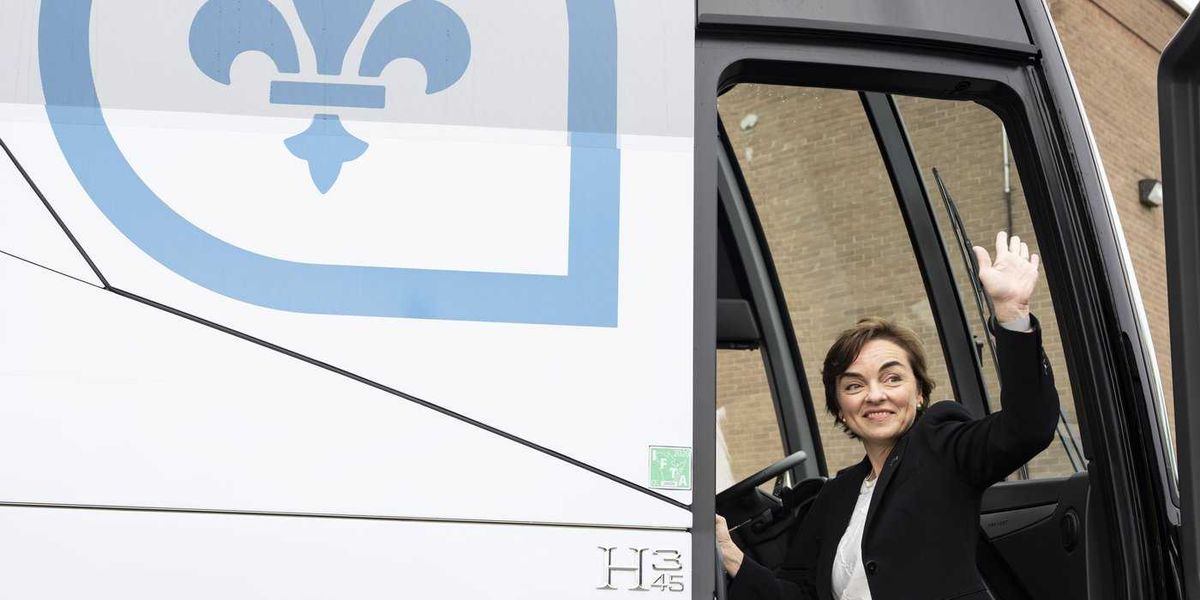




The leader of the Coalition Avenir Québec, Christine Fréchette, is declining to say whether she supports Quebec independence while on the provincial election campaign trail.
“My personal position is not important,” she told journalists. “It’s not pertinent information.”
She later posted on social media that she does not want to deny her past as a Parti Québécois staffer, but stressed that she has grown since that time.
Fréchette was a senior political adviser working in the office of former PQ international relations minister Jean-François Lisée between 2012 and 2014.
Fréchette’s faced the renewed questions about her past after all five leaders faced questions about sovereignty and other topics from a panel of journalists in a series of back-to-back interviews televised on Radio-Canada on Wednesday evening.
Sovereignty has been one of the dominant themes in the early weeks of the campaign, with PQ Leader Paul St-Pierre Plamondon stating in his interview that a vote for him “is a vote for independence.”
He has promised to hold a referendum in his first mandate if the PQ forms government. Just before the election campaign began, he specified he would wait until U.S. President Donald Trump’s term was over before putting independence to a vote.
Québec solidaire co-spokesperson Ruba Ghazal said Wednesday evening that she was open to working with St-Pierre Plamondon to hold a referendum, so long as he committed to holding extensive public hearings, including with First Nations.
Liberal Leader Charles Milliard, however, insisted that his party is the “only truly federalist option,” while Conservative Leader Éric Duhaime has called on voters to give his party the ”balance of power” in a minority legislature so it could “block any referendum project.”
The stance of the Coalition Avenir Québec — which was created by politicians of different political stripes, including sovereigntists and federalists — has been more ambiguous. While the party branded itself as “the third option” that would advocate for more autonomy for Quebec within Canada, its members have not explicitly stated their positions on independence.
However, Fréchette has long said that “this is the worst possible timing” to hold an independence referendum, choosing to centre her campaign on the trade war with the United States.
She claimed on Thursday that when she worked under former premier Pauline Marois’s PQ government, “most decisions were analyzed from the perspective of whether or not they would help the referendum.”
Lisée, also a former PQ leader in opposition, pushed back on social media.
“Respectfully, that’s completely false,” he wrote. “She and I were separatists (I still am — I hope she is, too), and we made that clear to our foreign counterparts, but for the most part, we pursued our agendas with Quebec’s interests as our top priority.”
The party leaders also made clear their positions on the Alto high-speed train proposal after a meeting in Longueuil with a lobby group representing farmers.
The proposed high-speed train would connect Quebec City, Trois-Rivières, Laval, Montreal, Ottawa, Peterborough and Toronto. Farmers in Quebec have expressed concerns the railway would pose a direct threat to the integrity of agricultural land and food security.
St-Pierre Plamondon maintained that he would pull Quebec out of the project, calling it “unacceptable.” He promised instead to invest an additional $450 million in agriculture over four years. St-Pierre Plamondon has not explained how he would withdraw from the project, which is being proposed by the federal government.
Duhaime also promised to oppose any form of high-speed rail and to reduce red tape and regulatory requirements for farmers. Like St-Pierre Plamondon, he believes the railway is too expensive to build.
“It’s a project that will cost a fortune and which, in our view, has no potential for profitability,” said the Conservative leader, whose financial plan relies on the use of fossil fuels to stimulate the economy.
Ghazal insisted there is a way to support both the railway project and protect Quebec’s forests and farmland, “if we do things the smart way.”
Fréchette still supports the railway project, but set some conditions on Thursday.
“They’ll have to show me that the economic benefits are substantial and that the route has been agreed upon with the various stakeholders affected by this project, including the agricultural and municipal communities,” she said at a press conference in Quebec City.
Milliard said he supports the high-speed train, but insists on transparency on the project’s risks.
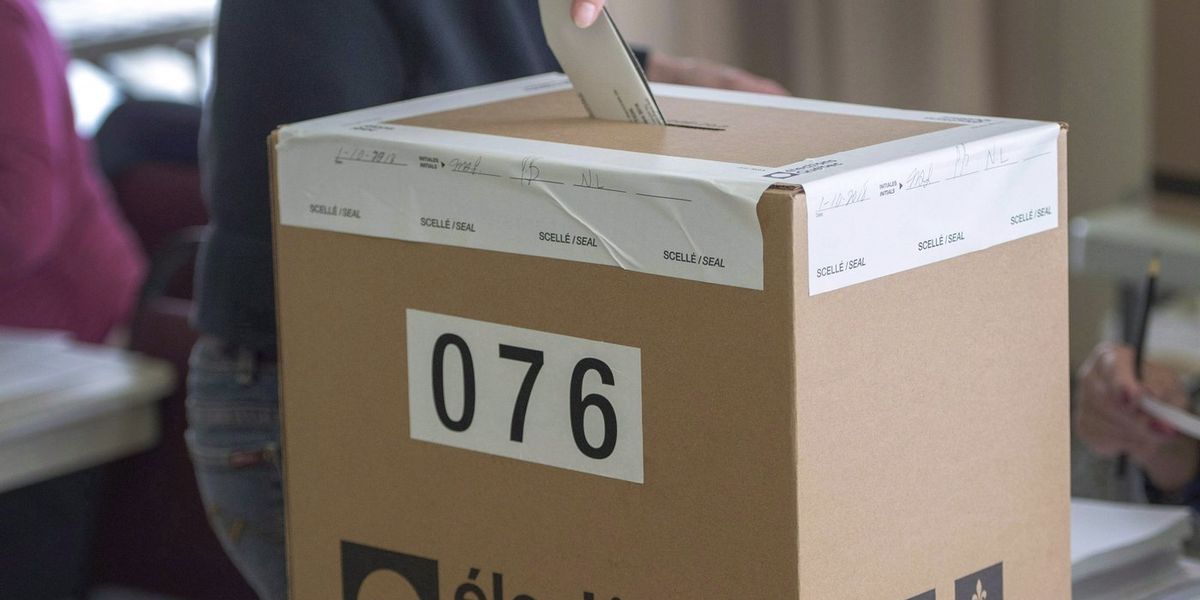
Quebec voters go to the polls Oct. 5.
This report by The Canadian Press was first published Sept. 10, 2026.
By Erika Morris | Copyright 2026, The Canadian Press. All rights reserved.
![10th Sep: Rizz Quizz (2026), 3 Episodes [TV-14] (6/10)](https://occ-0-748-1001.1.nflxso.net/dnm/api/v6/0Qzqdxw-HG1AiOKLWWPsFOUDA2E/AAAABWaxTc1I10CF-0yHB8cuXROavtPrVEVy_c3raF8Rr6PLRbQXwI-CV5xssvQcJF9oIjkmux6n4mH8xblgDTA7kZ-tTVFb0bq8zCROP46Ipcpi4SmhokzioB75TW9gDII_D5E76-oFacrVecz0JMIGFk8gmpLGzcGZ1HtIOeiWbGlIQiZmErrfdpShPT0JUpl_kU5Q9jw2RfuAYsYs1pTi4QaOnluRY9mlCSf49Qyl1jKBlhc6S9xXaa78PJP0sRNjfmz6QlyV4DUgxVm68KP4fOsf-NIRQJLnDB4zta7m5EsOApumvLvBSdMrUjiBjw.jpg?r=5c2 "10th Sep: Rizz Quizz (2026), 3 Episodes [TV-14] (6/10)")