








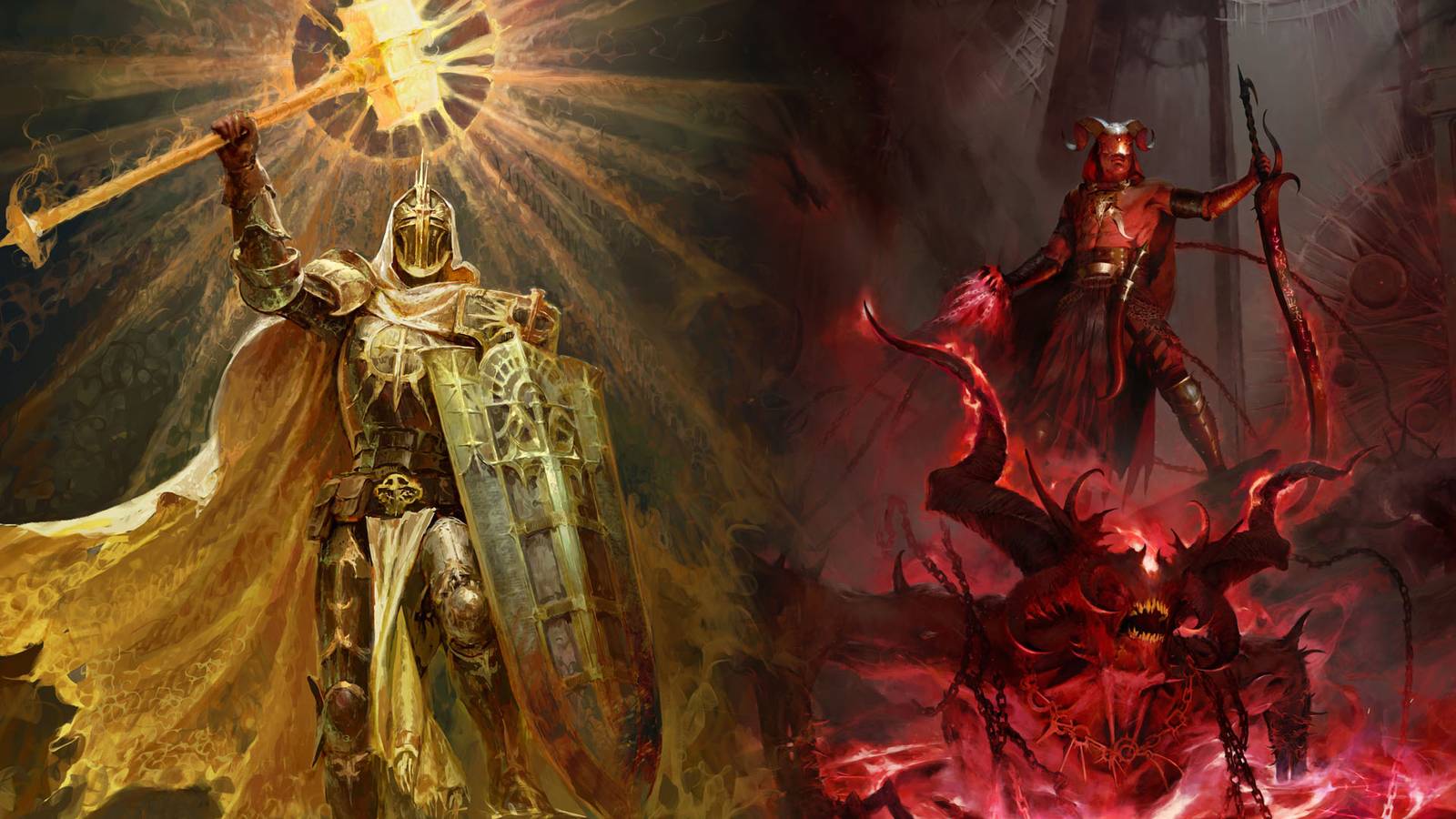
In Diablo 4: Lord of Hatred, the Warlock and Paladin are the newest classes you can play with and face the dangers in Sanctuary. These are completely different classes, each with its own strengths and weaknesses. The release of the new DLC is the perfect opportunity to try them while completing the campaign. However, in order to have a good experience, you should be mindful of what you want from the class you’re playing and your goals in the game.
To help you decide which of the two classes you should pick, we put together this guide explaining whether you should play Warlock or Paladin in Diablo 4: Lord of Hatred.
Should you play as a Warlock or Paladin in Lord of Hatred?
A new DLC makes the perfect chance to experience a whole new story arc playing a different character and you might consider picking one of the two that are coming with Lord of Hatred: Warlock or Paladin.
In general, both classes are more than capable of handling the main campaign. However, one may be better than the other depending on the type of player you are. If you’re a new or returning player who just wants to focus on the story, Paladin should be your first option. On the other hand, if you want a more challenging class to play, Warlock is just what you need.
Below, we explain some pros and cons of both classes considering their performance in the Lord of Hatred campaign.
Diablo 4 Paladin pros and cons
This class has been available for those who pre-purchased the Lord of Hatred DLC since December, and the consensus is that Paladin is overpowered. However, it’s not the class’s high damage output that necessarily makes Paladin a great option to progress through the story arc.
Paladin’s best trait when playing the Lord of Hatred campaign is the class’s capacity to survive all boss battles, so you don’t need to overthink most fights. The class has multiple tools to stay alive during a fight, from “Defiance Aura,” which increases armor and resistance, to “Consecration,” which heals your character. It also has access to good crowd-control abilities like “Condemn,” which is great when exploring the new dungeons in the game.
Paladin is a simple class to play, allowing you to put an effective build together even without following a guide if you take the time to read the skill descriptions. It features good single-target abilities and area-of-effect skills, clearing areas quickly.
Even so, you must keep in mind that Paladin lacks the Rogue’s mobility and the Sorcerer’s explosive damage, which means it offers a slower-paced gameplay experience. The lack of complexity involved in playing this class might also be a problem as you get further into the campaign.
Diablo 4 Warlock pros and cons
If you wish to enjoy complex classes while facing Mephisto’s minions, then Warlock is definitely the class for you. Warlock’s kit lets you focus on summoning demons to fight by your side, cursing and controlling crowds of enemies, or invoking the flames of hell to burn enemies.
The variety offered by this class keeps Warlock fresh. As you level up the class, it’s possible to mix these abilities and make a summon capable of cursing enemies and even turn yourself into a demon. The Soul Shards also add some depth to the class, allowing you to invoke unique demons to help you in battle.
When it comes to surviving throughout the campaign, Warlock depends more on killing enemies before they have a chance to attack you back. It is capable of clearing large groups of enemies and dealing good single-target damage when facing bosses. The class has good crowd-control abilities, like “Tyrant’s Grasp,” which pulls enemies away from you.

Warlock’s potential comes with a price though. Warlock is still a caster, which inevitably makes it a squishy class compared to Paladin. Unlike the holy knight who can be in the wrong place at the wrong time and walk away alive, Warlock is punished by mistakes and bad positioning. You can handle a few hits just fine, but if you’re caught in the wrong place during a boss fight, you will definitely die. Warlock’s kit features tools like the “Nether Step” skill that blinks you out of danger, but you still shouldn’t be careless.
The complexity of Warlock’s kit might be overwhelming for new players. Unlike Paladin, the caster uses two resources, Wrath and Dominance. Because of this, Warlock forces you to pay attention to your rotation and worry about managing the two different energy points. At the same time, a big part of the damage this class is capable of causing comes from the synergy of certain skills. Creating a functional Warlock build demands more time testing and finding the right synergy that accommodates your play style.
