
![29th Aug: Design Notes (2026), 3 Seasons [TV-PG] – New Episodes (6/10)](https://occ-0-772-1001.1.nflxso.net/dnm/api/v6/0Qzqdxw-HG1AiOKLWWPsFOUDA2E/AAAABQKfFKK15UbX3muNUQCq0PBHATQr2UanVonX6PtWyiPZaVLwDDI05tijT9jJojLylPwhLTL1T5BuFT5ailg5TOEZmU7-pNjGIRfZd0rOdIYDIY9uKW0izDQ5iIJw4rh1orivslLwaaKRpJopQy9X8Df-u24bnCN64xjDK30P.jpg?r=7c8 "29th Aug: Design Notes (2026), 3 Seasons [TV-PG] – New Episodes (6/10)")





It was only last month that we reported UNESCO had designated 12 new Geoparks from all over the planet, bringing the total number of protected areas up to a hefty 241.
However, Friday June 5 was World Environment Day, and to mark the occasion, it was announced by the body that 14 new biosphere reserves had been designated, too. It was the 55th anniversary of the World Network of Biosphere Reserves, which saw the first sites designated back in 1971, and now, the total is up to a whopping 797 sites across 145 countries.
What’s the difference between a geopark and a biosphere?
While the geoparks were handpicked by UNESCO (based on applications from the Global Geoparks Council) to recognise their combination of ‘conservation, environmental education and a sustainable approach to development, while also supporting Indigenous Peoples and local communities in promoting their culture and know-how’, the biosphere reserves are instead examples of outstanding ecological value.
According to Wanderlust, these areas are ‘living laboratories, helping to develop sustainable solutions to limit the effects of climate change, curb biodiversity loss and promote sustainable ways of living’.
Where are the 14 new biosphere reserves?
While the name ‘biosphere’ might conjure up images of remote, verdant landscapes, these reserves comprise everything from entire islands to farms and working communities.
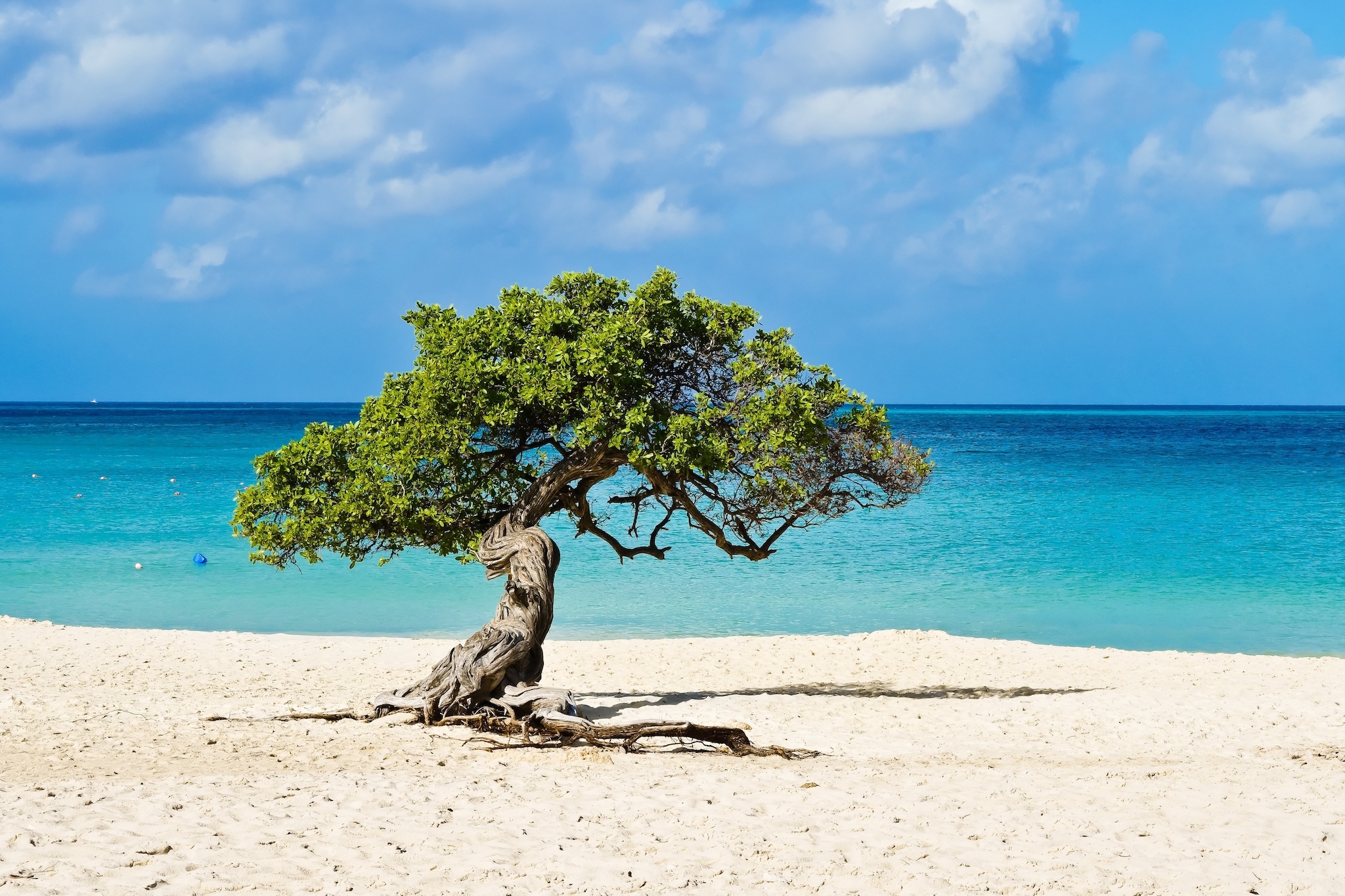
Newly designated in 2026 and the first-ever entire island nation to be recognised as a reserve was Aruba, which is a dazzling destination in the southern Caribbean Sea. It falls within the tropics, but unlike a lot of the other islands, has an arid climate likening it more to a desert than a rainforest.
Intriguingly, Québec City has also been designated, which reflects a growing recognition of the role metropolitan areas not only coexist alongside but support biodiversity (and sustainable development).
The first-ever biosphere reserve in Timor-Leste, Nino Konis Santana lies within the Coral Triangle (home to over 75 percent of the world’s coral species) and also includes the country’s largest remaining primary forest. In Paraguay, one of the planet’s most threatened and most biodiverse regions, the Paraná Atlantic Forest, has also been designated.
‘Biosphere reserves prove every day that protecting nature and improving human lives are not competing goals,’ said director general of UNESCO Khaled El-Enany. Scroll on for a look at the entire list of newly designated sites.
These are the 14 new biosphere reserves
- Shkodër Lake, Albania
- Theniet El Had, Algeria
- Aruba Island, Aruba
- Great Caucasus, Azerbaijan
- Takamanda, Cameroon
- Québec City, Canada
- Dalankuh-Qamishlou, Iran
- Tost Toson Bumbiin Nuruu, Mongolia
- Skadar Lake Watershed, Montenegro
- Sur del Alto Paraná, Paraguay
- Matibay na Bayan ng Sablayan, Philippines
- Serra da Estrela, Portugal
- Nino Konis Santana, Timor-Leste
- Phong Nha-Ke Bang, Vietnam
🏞️ While you’re here, check out our list of the best national parks on the planet.
ICYMI: Why has this Sardinian beach partially banned umbrellas?
Plus: You and a friend could land an all-expenses-paid flight-free trip this summer – here’s how to apply.
Stay in the loop: sign up to our free Travel newsletter for all the latest travel news and best stuff happening across the world.