






![24th Sep: The Man in the Iron Mask (1998), 2hr 12m [PG-13] (6.25/10)](https://occ-0-912-92.1.nflxso.net/dnm/api/v6/0Qzqdxw-HG1AiOKLWWPsFOUDA2E/AAAABQmtzJTE0mluv2YWRAn2GqYSJutyVyp1gw9EUyREY7g-ku2IdIbJc1Tu73T2oXV6B8Yvhm7qwU0e4TVFIOvPaLzy9sbR8MPICKJ3uJxwQQNTUq3hcwCUgCrSzsrvCEUyFq61sbiOghLQ9htd04BfxBeWhXZ4N_KFpU8b2HBD39oTyg.jpg?r=320 "24th Sep: The Man in the Iron Mask (1998), 2hr 12m [PG-13] (6.25/10)")


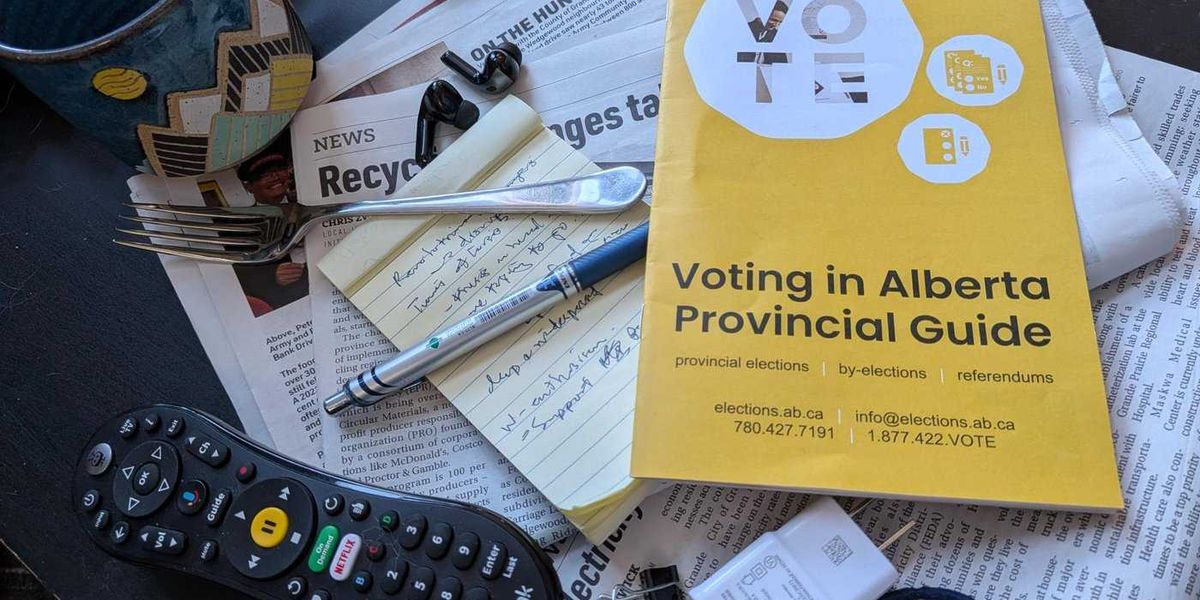
In our first referendum review installment we looked at how to make the most of casting your ballot on Referendum Day by making sure you have everything you need to vote and telling you about the multiple options you have to get your ballots into a box.
This week, we’re going to talk a little bit about the questions you’ll be presented when you walk up to that voting booth.
The referendum is split into three categories of questions.
There is the one question everyone is talking about that could start the process toward a binding referendum on Alberta’s place in Canada, but there are nine others that focus on immigration and changes to the Canadian Constitution that Alberta politicians have been lobbying to make for decades.
The questions, which were crafted by Premier Danielle Smith and the UCP cabinet, have come under some public scrutiny as overly complex or in some cases containing more than one question that must be answered yes or no.
Constitutional amendments in Canada require the approval of the House of Commons, the Senate, and at least seven provinces representing at least 50 per cent of Canada’s population.
Let’s look at the four constitutional questions you’ll need to decide upon when you vote on or before Oct. 19.
Do you support the Government of Alberta working with the governments of other willing provinces to amend the Canadian Constitution to have provincial governments, and not the federal government, select the justices appointed to provincial King’s Bench and Appeal courts?
Currently, judges for the Court of King’s Bench and Courts of Appeal are ultimately appointed by the federal government following review by a seven-member judicial advisory committee. Membership on that committee includes a representative of the provincial government, a provincial court judge, three others appointed by the federal government, one appointed by the provincial law society and another by the Canadian Bar Association.
Governments in Saskatchewan, Ontario and Quebec have made similar requests of the federal government arguing provincial appointments could speed up the process of filling vacancies with qualified candidates to help ease pressure on the court system as well as give residents more input in the process.
Do you support the Government of Alberta working with the governments of other willing provinces to amend the Canadian Constitution to abolish the unelected federal Senate?
The role of Canada’s Upper House of Parliament, the Senate, is to be a “complementary body to the elected House of Commons in providing sober second thought. In that role, the Senate acts essentially as a reviewing chamber on proposed bills before they are passed.”
There are 105 appointed senators that are divided between the provinces and territories. Ontario and Quebec each have 24 seats; New Brunswick and Nova Scotia are each allocated 10 seats; while Alberta, British Columbia, Manitoba, Saskatchewan and Newfoundland and Labrador each have six seats. Prince Edward Island has four seats, and Yukon, Northwest Territories and Nunavut each have one seat.
Canada’s Governor General appoints individuals to a Senate seat on the advice of the Prime Minister, who receives recommendations from the Independent Advisory Board for Senate Appointments based on constitutional requirements and merit.
Albertan politicians have long said the province is unfairly represented in the Senate, pointing to the Atlantic provinces which hold 30 seats with just half of Alberta’s population.
There are currently six vacancies in Canada’s Senate, with five more anticipated before the end of the year.
Do you support the Government of Alberta working with the governments of other willing provinces to amend the Canadian Constitution to allow provinces to opt out of federal programs that intrude on provincial jurisdiction such as health care, education and social services, without a province losing any of the associated federal funding for use in its social programs?
The Alberta government wants to opt out of federal programs it sees as overreaching into provincial jurisdiction while still collecting the associated federal funds that would usually be allocated. Areas of provincial jurisdiction include health care and education for instance.
As an example, legal experts have argued Alberta’s Bill 11, the Health Statutes Amendment Act, which recently introduced a dual-practice healthcare model, violates the principles of universality and accessibility in the Canada Health Act. While the CHA does not prohibit private healthcare outright, it does set the rules for how the federal government distributes health funding to the provinces.
Critics say the new model creates a two-tier system by diverting medical staff away from the public system and allow the wealthy to jump the queue.
The province maintains that “allowing provinces to opt out of Ottawa’s programs in provincial jurisdiction with full compensation allows each province to tailor services to the needs of their population.”
Do you support the Government of Alberta working with the governments of other willing provinces to amend the Canadian Constitution to better protect provincial rights from federal interference by giving a province’s laws dealing with provincial or shared areas of constitutional jurisdiction priority over federal laws when the province’s laws and federal laws conflict?
In the same realm as the previous question, the Alberta government suggests that provincial law should override federal law when it comes to conflicts over shared areas of jurisdiction including natural resources, electricity, public lands, and property and civil rights.
“There are times when laws and regulations passed by the federal government conflict with, and override, provincial laws and regulations that have also been passed by the province – effectively overriding what elected provincial legislatures are trying to accomplish. This is especially true with respect to the environment, which is an area that can be regulated from different perspectives, one of which may relate to a provincial power and the other to a federal power,” states the government’s albertareferendum2026.ca website.
The Canadian Constitution encodes the concept of paramountcy, which states that when there is a conflict between valid provincial and federal laws, the federal law will prevail.
Next time, we’ll turn attention from the courts and Senate to immigration and access to social services. In the third installment of our referendum review we’ll unpack five of the remaining questions and explore what they mean for provincial autonomy and Alberta’s ongoing jurisdictional tug-of-war with Ottawa.
Copyright 2026, Town & Country News. All rights reserved.
Chris Zwick, Local Journalism Initiative Reporter, Town & Country News.



![24th Sep: Sinagtala (2025), 1hr 44m [TV-14] (6.9/10)](https://occ-0-912-92.1.nflxso.net/dnm/api/v6/0Qzqdxw-HG1AiOKLWWPsFOUDA2E/AAAABYgt_t5R4u9eyASIy9A3adtoqzq64Lk5BIiJ5UNyedZSjCxJyLW4ImYEzaSOXo43E07iOqduCEqZidoWFGNIq4-d5dXFC5_u-OkUqdtuMrPMW74X7J_TLorrBjqgWl5BhxqspDboCYYC_v3RKxfz_-K0QOrCWSvV0mWrVh0bnfsq9Q.jpg?r=903 "24th Sep: Sinagtala (2025), 1hr 44m [TV-14] (6.9/10)")