![5th Oct: Louis C.K.: Back to the Garden (2023), 1hr 5m [TV-MA] (6.75/10)](https://occ-0-1522-1001.1.nflxso.net/dnm/api/v6/0Qzqdxw-HG1AiOKLWWPsFOUDA2E/AAAABQQgYKtWeWjnGKCdb5XH9z6-BwdrcbVPBdzUXfkyOZu0osCQ9N6bbjv7LdGFbAZ76RlPVigNptsACCO41x2TiX1C41o4Uc336VFFot0q6m37CqhfpfK4_Y4KjIivuafeDd_uqB9ZbCBpb8sMnhMSOJpzc5c3ChKJGhYE9d8B66v-Zw.jpg?r=3eb "5th Oct: Louis C.K.: Back to the Garden (2023), 1hr 5m [TV-MA] (6.75/10)")








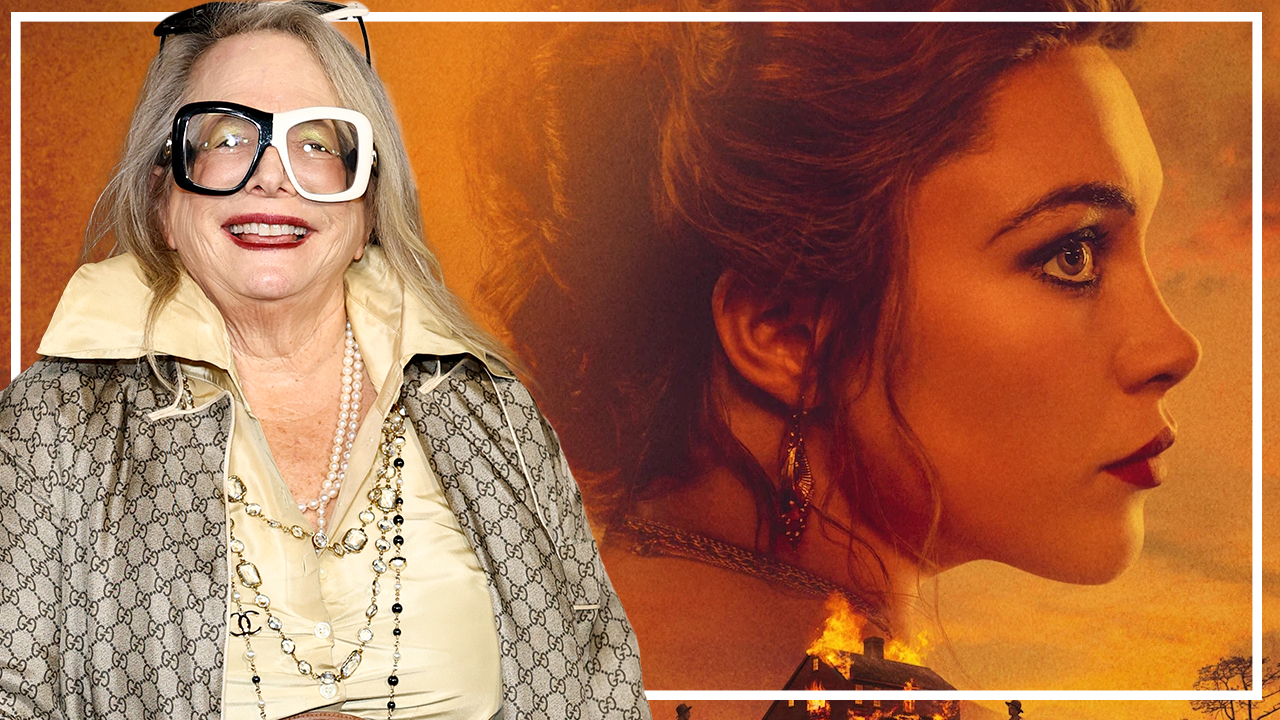
Picture Credits: Getty Images / Netflix
Laura Karpman transports viewers into the late 19th and early 20th centuries in her powerful score for Netflix’s East of Eden — a series she says is “the kind of project you dream of.” Developing a score worthy of matching a story of such scope and breadth demanded all of her expertise, and she was more than happy to oblige, finding herself inspired by the “inspiring” performance of Florence Pugh.
Five-time Emmy winner and Academy Award nominee Laura Karpman is ubiquitous in the entertainment business. You’ve likely heard her sweeping scores in recent years, from her big Marvel projects like The Marvels, Marvel Zombies, Captain America: Brave New World, and Ms. Marvel, to her more recent work on Prime Video’s rom-com The Love Hypothesis. Her latest score was for Netflix’s East of Eden, the streamer’s ambitious adaptation of John Steinbeck’s self-proclaimed magnum opus novel, brought to screen by co-showrunners Zoe Kazan and Jeb Stuart.
We were able to catch up with Karpman to discuss her incredible work on East of Eden; her creative process, inspirations, techniques, and more. Check out our interview down below.
John Steinbeck’s East of Eden is so ubiquitous. What was your first exposure to the novel, and did your opinions on it change or evolve as you began working on this adaptation?
I think East of Eden is just one of those iconic books that you know about. And especially being a Californian, it’s such important literature about our country, but also about my state. I’ve known the book for a long time, and I know the 1952 movie, with a great score by Leonard Rosenman. This is a world that I was familiar with before we dove in, creating this new version of what that world is informed by: evolution, time, and interpretation. It’s the kind of project you dream of. It’s a smart, iconic literary adaptation — and it’s material that I care about.
I was looking through the body of work that you’ve done this year. And I had to laugh because you’ve also done The Love Hypothesis. Between that and East of Eden, it’s like the TV version of Barbenheimer.
I made a post about this exact thing. I said, this is like TV’s Barbenheimer. The only thing in common is that they’re both literary adaptations. They have absolutely nothing to do with each other, content-wise. What they do have to do with each other are that they’re books people care about. I’m glad people are reading, and that’s a good thing, right?
How did you approach translating such a literary epic into a musical landscape? What were your guiding principles and initial instincts?
My initial instincts were fundamentally to write a home theme. Kind of living in an American symphonic landscape world; a kind of mid-20th century version of what an American symphonic landscape sounds like. And so I wanted to really have a music that reflected that landscape. We called it the home theme.
It really winds up being about where home is and what home means, whether it’s the first place in Connecticut where the two brothers are, whether it’s the ranch outside of Salinas. What is home and what does home mean to these characters in the show? And then how does that evolve? That’s one of the big themes.
The other theme was for Cathy and that was a very, very simple theme. Interestingly enough, almost inspired by my work in Marvel, because in Marvel villains have very short little signatures. But I don’t really see Cathy as a villain. I know that’s controversial right now and everybody’s like talking about that, but I think for me, she’s more of a question mark. It was almost like an ancient theme, it comes out of ancient music, I guess, because I think in some ways she’s an ancient character.
And then there’s the Snake in the Grass theme. Some people might think it’s Cathy’s theme and maybe it is, but I think it’s more of a sense of evil; misfortune, things that are waiting for you that you don’t expect that are not positive. Kate is wound up like a snake in the grass who strikes at any given time. There’s a theme for Lee, the wonderful character who comes in and basically raises the two boys.
That was the fundamental material to get us through seven hours. I mean, really, it’s a massive movie. It’s not even like a TV show. It’s a cinematic version of this whole novel that’s never been done.
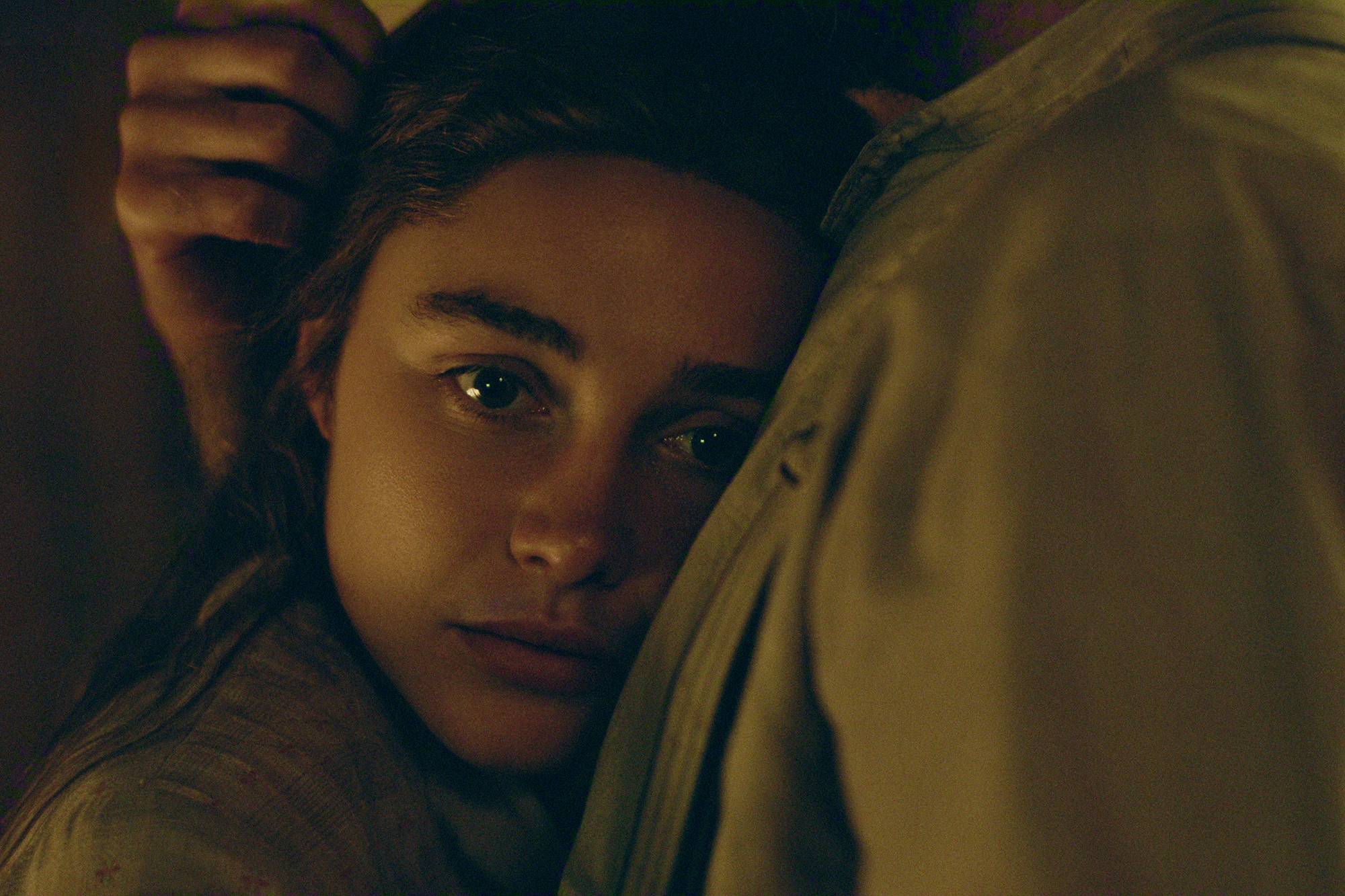
East of Eden. Florence Pugh as Cathy Ames in episode 102 of East of Eden. Cr. Courtesy of Netflix © 2026
Were you able to utilise any techniques or instruments that you wouldn’t otherwise use in your other productions?
Not really. I mean, the score is fundamentally strings, piano, some voice, and some electronics for the Snake in the Grass theme. I think those are kind of cool and unexpected, but they fit within the landscape of what we’re doing.
I think the idea was to do these multiple layers of strings. We had just wonderful players kind of sitting up front. Nadia Sirota is a beautiful violist; I think she’s the best violist in the world. Ben Lash on cello, Meredith Anzema on violin. And then we had a very large string ensemble in the back. So it’s this kind of weird moving back and forth between huge scale, huge scope, and then very intimate kind of in-your-face music at times. There are a lot of keyboards in it that I played. The instrumentation is not one of those things where you’re like reinventing the wheel instrumentally, but really trying to take what exists and use it and reinterpret, rethink it, recategorise it, in a way.
There is a pivotal moment in Episode 5 where the score really elevates after Adam meets Cathy, and again when he learns of Charles’s death. How do you approach scoring those massive, grief-heavy turning points compared to the quieter family scenes?
I had themes laid out and there were variations on them. In that exact moment, it had this kind of swirl in it. It’s really kind of like a circle of life idea, that the world almost spins faster than you can catch it. We had this kind of circular music and this rising music, which are sort of sub-themes of the major themes that I previously described. I think those get you to those kinds of really deep, deep places.
I think it’s just meant to say: this is a bigger story. It’s a family drama, but this is about loss and regret and good and evil and every shade of black and white and grey in between those things. You score it, and you feel it. I was inspired by this one, and that’s the truth of it. It was really gorgeous footage to work with.
Florence Pugh is a goddess and she is a fine actor. One of the things I loved about scoring her is the physicality of her performance. She’s so — and I’m not talking about like the sex scenes or any of that — I’m talking about the little things she does that are so physical. You feel like you’re almost composing a ballet. You know, she’s like moving on the screen and I’m creating this music that dances with her and it inspired me. Her performance inspired me; the subtlety of her performance inspired me.
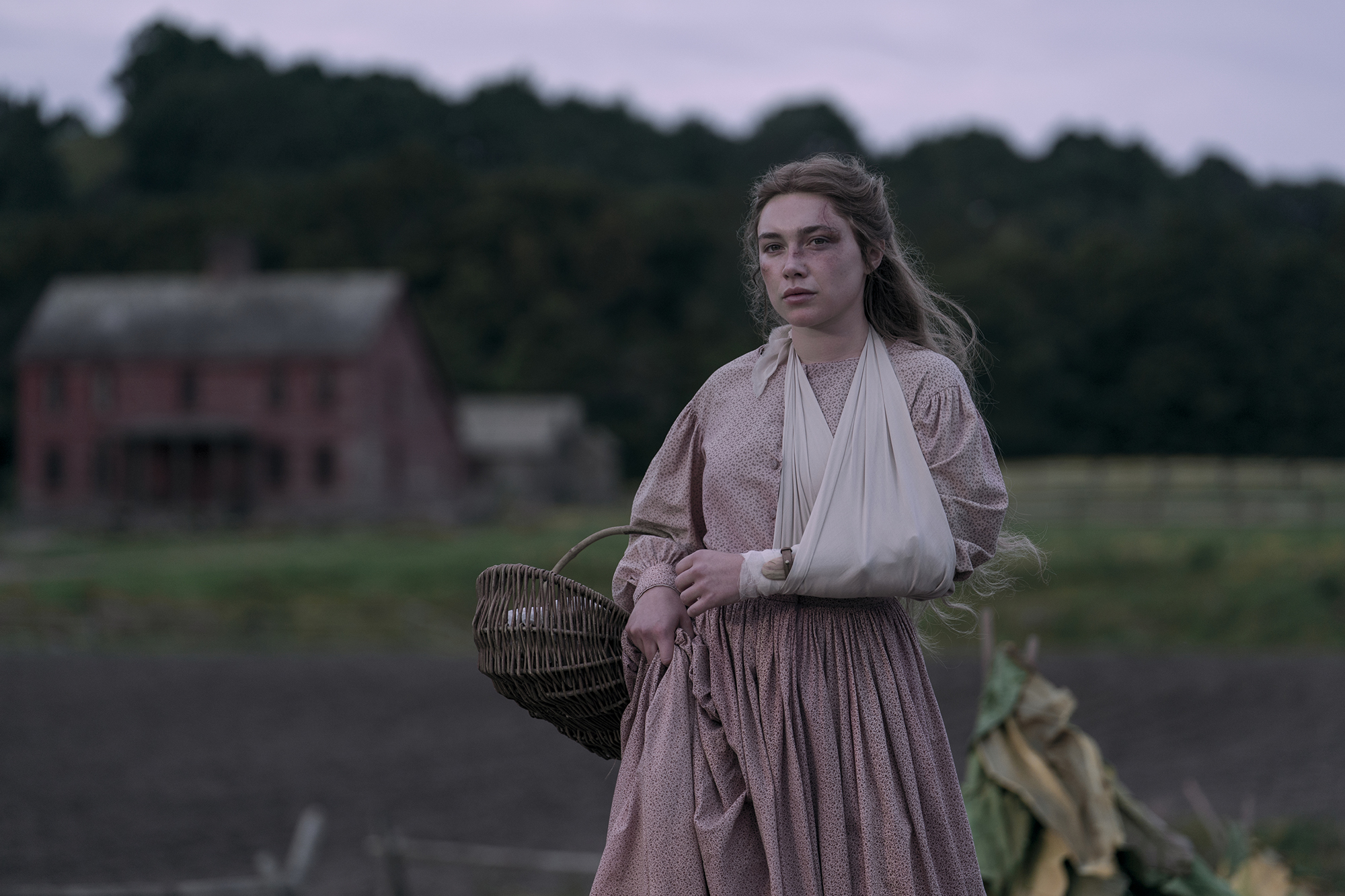
East of Eden. Florence Pugh as Cathy Ames in episode 102 of East of Eden. Cr. Geoffrey Short/Netflix © 2026
If you had to pick one track or scene from East of Eden that you are most proud of—perhaps one that was the hardest to crack—which one would it be and why?
Great question. The end of [Episode] 5, I think is really great. The hardest to crack was for sure Kate’s suicide because it was really important that we don’t make that a noble act, but that we also exemplify her pain. I think there are moments that should have been hard but weren’t, like when she sets fire to the house in episode 2.
Those are all like the key points for me, but frankly, from start to finish, I also think episode one was really hard because we had to create empathy for the boys when their father is just being a really bad guy. And so trying to tell their story without focusing on what he was doing to them was difficult. We tried a lot of different things there and a lot of different versions of things. I’m happy where we wound up, it was also really challenging in a good way. I think at this point in my career, I want those challenges. They’re what make it fun and interesting. Zoe’s adaptation is also brilliant. I mean, she did a fantastic job. When you’re working with material that’s this good, it’s inspiring.
Looking at the broader landscape of your work, you’re one of the busiest composers in the industry. With such a quick turnaround in television, how do you maintain your creative stamina across all of these projects?
It’s a really good question. I think you’re as good as you are on your worst day. It’s not about your best day. It’s about your worst day. How good are you on your worst day? How good are you when you’re really tired? But I have to say, this one was not that. We had time. I worked on it for like six-to-eight months. It had breadth to it. You build up enough skill that when you’re tired and you don’t feel great that the music’s still coming out. It may not be the greatest thing you’ve ever written in human history, but it comes out.
This interview has been edited for clarity.
East of Eden is now streaming on Netflix.