



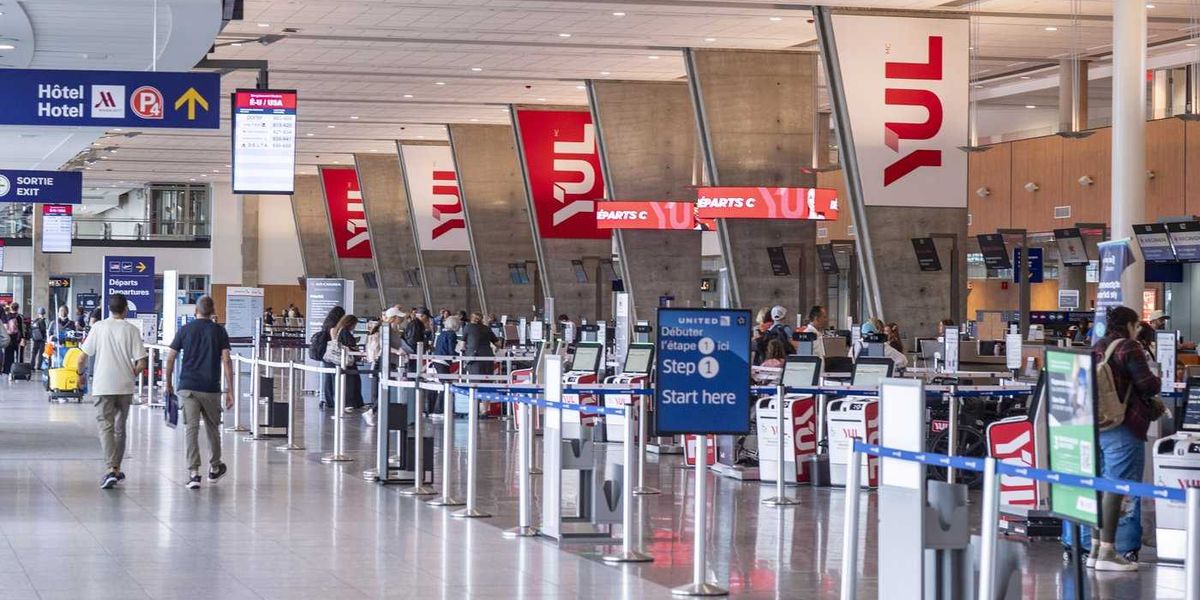




In Brief: Hotel operators reported stronger-than-expected revenue performance in early 2026, driven by demand in World Cup host cities and other markets. Executives said corporate and group travel are improving, while major conventions and concerts are contributing to hotel demand. They also noted emerging signs that leisure travel growth may be moderating.
Performance Exceeds Some Expectations
Hotel executives speaking at the Hotel Data Conference said U.S. hotel performance has developed differently than many companies expected at the beginning of 2026. While the FIFA World Cup was expected to lift demand in host cities, growth has also been significant in markets not directly connected to the tournament.
Brian Berry, chief commercial officer of Pyramid Global Hospitality, said the company took a conservative approach in cities hosting World Cup matches. Pyramid anticipated that the event would primarily support higher room rates and secured team accommodations and room blocks.
Berry said the company underestimated hotel demand and revenue per available room, or RevPAR, growth during the first part of the year. It also underestimated performance in non-host markets, including Chicago, where RevPAR increased by more than 20%.
Twelve of the 14 markets with the largest occupancy increases in June were not World Cup markets, Berry said. He described February as a turning point, when demand and RevPAR began to move in ways operators had not forecast.
The stronger results have not eliminated uncertainty about the outlook for 2027, Berry said, but the current forecast generally aligns with recent performance.
Corporate, Group and Weekend Demand
Paul Coury, founder and chief executive of Coury Hospitality, said his company has exceeded forecasts despite economic uncertainty over the past two years. Its lifestyle hotels are averaging nearly 10% RevPAR growth, while its other hotels are averaging about 4% growth.
Coury said guest spending at hotel properties has increased, improving revenue per occupied room. The company has also recorded stronger domestic weekend demand, driven in part by baby boomers and travelers seeking experiential properties.
Aimbridge Hospitality has also reported broad growth. Chris Dickinson, divisional vice president of revenue strategy for Aimbridge’s select-service group, said about 70% of the company’s 700 comparable hotels are recording RevPAR growth. The same share is increasing average room rates, while 56% are posting occupancy gains.
Dickinson said demand outside World Cup markets has been stronger than expected. Business travel and group demand are continuing to recover.
Aimbridge has used group demand to replace lower-rated discount business with higher-rated group bookings, Dickinson said. The shift has supported room rates and margins.
Pyramid is also seeing strength in corporate, individual and group travel. Berry said group lead volume is up 10% year to date, and internal forward-looking measures point to continued demand.
Leisure Segment Shows Early Signs of Moderation
Despite positive results, Berry said leisure travel may be beginning to slow. Recent U.S. hotel data has shown weekday occupancy growing faster than weekend occupancy over the past four weeks.
Leisure demand remains healthy but may not deliver the same level of rate growth seen in other customer segments, Berry said. Inflation, gasoline prices and employment conditions could affect consumer travel decisions.
Consumer spending has remained stronger than some economic indicators have suggested, Berry said. Hotel operators are monitoring whether the gap between weekday and weekend occupancy growth continues.
Events Create Demand Beyond Host Cities
Executives said convention schedules, sports events and concerts have become important tools for identifying periods when hotel demand may exceed supply. Dickinson said Aimbridge tracks major events that can create demand compression and support higher rates.
Matches in Miami also generated hotel demand in Fort Lauderdale, Orlando and Florida’s Space Coast, Dickinson said.
Coury said his company’s three hotels in downtown Oklahoma City are located in the city where the Oklahoma City Thunder reached the NBA conference finals. Hotels cannot plan on a team’s playoff success but can manage revenue when unexpected demand emerges, he said.
Coury Hospitality also creates programming at its properties, including regular music events, to generate more consistent demand.
Berry said concert tours are increasingly significant demand drivers, particularly in major urban markets. Hotels monitor major performances because attendees often travel and book overnight stays.
Hotels in convention markets also track the size of citywide meetings. The number of attendees or rooms needed to affect a hotel varies by market, but large conventions can increase demand across an area beyond hotels included in official room blocks.
Operators Focus on Rates and Margins
Berry said room rates generally follow demand, with hotel operators using demand growth as an indicator of future pricing potential. Historically, there has been a 70% to 80% relationship between demand growth and rate growth across hotel chain scales, he said.
Traditional indicators have become less reliable, Berry said. Gross domestic product increased last year while RevPAR declined, creating a gap between broader economic growth and hotel operating results. Investment in artificial intelligence data centers has also altered the relationship between business-spending measures and business-travel demand.
Dickinson said hotel operators are placing more emphasis on the value of demand rather than the volume of bookings. At Aimbridge, revenue teams are working to improve margins through higher average daily rates, segment shifts and closer management of short-term bookings.
The company has also created internal scorecards to help hotel teams identify how their decisions affect margin performance, he said.
Discover more at CoStar.


