![24th Aug: I Survived… (2026), 9 Seasons [TV-MA] (7.25/10)](https://occ-0-171-92.1.nflxso.net/dnm/api/v6/0Qzqdxw-HG1AiOKLWWPsFOUDA2E/AAAABdCnm7pGfySmfHGNROtEJzA5OmsICWl0Us4pzUH6kEMZmY63ohZHygIUdR_X27pPETSx7dukmXkKKC3uUiAccEWTbwZV4BgGoD2XJb6_lC_oelyc0aK9tYTMR4GazhlGQWcNq4IYBzOBC_2Axu0i8dUHM4TQ-Nsk6mZUGzfebFlguw.jpg?r=843 "24th Aug: I Survived… (2026), 9 Seasons [TV-MA] (7.25/10)")






An Interview with deeply inspiring Tanja Tzarovska – musician, singer (for film/theatre projects), performer (Prespa/Resen, R. N. Macedonia/ London, UK)
Tanja Tzarovska is one of Macedonia’s most internationally recognized vocal artists, a singer, songwriter, lyricist and composer whose distinctive voice bridges Macedonian musical heritage with contemporary world music, film and theatre. Rooted in the traditions of Macedonian folk, Byzantine chant and innovative vocal expression, she has developed a unique artistic language based on powerful interpretation, improvisation and original vocal textures. Her international career includes collaborations with renowned composers such as Gabriel Yared, James Horner, John Debney, Jocelyn Pook and many others, with her voice featured in major film productions including Troy, The Passion of the Christ, The Wife and numerous theatre and dance projects worldwide. Her collaboration with Gabriel Yared on Chris Botti’s Grammy Award-winning album Impressions represents one of the highlights of her international recognition. At the same time, Tzarovska remains deeply connected to Macedonian culture, collaborating with leading Macedonian artists and composers while continuously promoting the richness and emotional depth of the Macedonian vocal tradition on international stages. Tanja Tzarovska is a powerful musical ambassador of Macedonia, an artist whose voice connects heritage, innovation and global artistic expression.
Ivanka Apostolova Baskar: Your voice in the film Troy feels less like a performance and more like an ancient memory carried through centuries. When you revisit that music today, what emotions still live inside those notes for you?
Tanja Tzarovska: It’s a very interesting question that I believe deserves a more detailed answer, so I apologize if my answer is longer than average. That time in my life was a time of incredible personal events, also. So much was happening, with me individually but also, I had the opportunity to observe it happening within Troy as a film project – dramatic changes, emotional highs and lows, love and friendship stories, loyalty and disloyalty examples, betrayal, in a way, with the replacing of the score composer and the whole music department team, unexpectedly, last minute, pretty much like the Trojan horse hack and destiny replacing one kingdom with another, overnight. I was witnessing a small Troy model within the music world, a world I happen to live in, in this life. I did not expect that. When Gabriel Yared was sacked (the first assigned composer with whom I collaborated close on the soundtrack, being chosen as the principal vocalist for a few cues of the score, including the film’s end-credits song), Warner Bros Studios hired James Horner to do a new score, a simpler and more wider audiences-friendly, so in a way, a simplified version of Yared’s score, which had been big, dramatic but a musical delicacy at the same time, bold and so beautifully integrated with ancient sounding vocal parts. That score stood on its own as a grand musical creation. We’ll never know exactly why this replacement happened, what was the real motive behind it, but it happened. I, myself, as a musician, already had huge respect for both composers, I’d listened to them both for years before being selected by them to be the vocalist for their music. I had a special fan-ship for Yared’s music, ever since I was a 15-year-old child, when I first watched The English Patient and his Oscar winning film score. I was instantly floored, recognizing the music as something timeless and familiar, and then going on to search for everything else he had composed, Like Betty Blue’s soundtrack, Camille Claudel and the rest of his magnificent opus. I could easily say that he was, by then, my favorite composer of the modern times, something different in film music. And then also Horner, as a major Hollywood name at the time, having behind him film-scores the whole world knew, like Braveheart, Titanic, Apollo 13, A beautiful Mind etc., even our childhood favorite Honey, I shrunk the Kids. So, when the replacement of composer happened, James Horner decided to keep only my voice (from all 10 vocalists previously) to feature in the new score, his score. For me personally that was great news and heartbreaking news at the same time, because, practically, one opportunity opened while another one failed, and I had to “cheat” on one team in order to stay in work in another. I had already been affiliated with Yared’s team, having worked together on the score, for which I was also hired as a choir lyricist. Months of work, weeks of recording, great, creative times. Now, all perished, overnight, caused by “a test audience musical suggestion?” It didn’t make sense. I didn’t want to go onto the new soundtrack out of loyalty, and I told Yared about it. However, at the same time, if I was going to refuse Horner’s offer, nothing from the previous score would have been left in the new one, no sign of our hard work, nothing to connect the two and tell the story, absolutely nothing to witness the changes and withstand that fall. So, Yared told me to go on and do it, to take the offer and be the voice of the new score, as crumbled as he was. Because there is nothing more destructive for a composer than great work composed with such dedication to never be heard, locked forever in a file drawer, and, besides everything, he still advised me to take on the work, saying “he already had a numerous musical releases and professional success behind him (he had practically every possible famous award statue) but for me, “this is your calling, you must not miss your opportunity to shine”. But also, I think, deep down, he thought the same, that something has to survive the downfall, and from this perspective, over two decades later, I know that this is true. He (Yared) as a deeply wise and emotional being, which many great composers are, seemed to tap into the gnosis of eternity and in a way “release the voice of destiny, that travels through centuries.” He made peace with the unfairness and injustice that this existence brings, so there was no ego; egos simply vanished for a moment and I felt like I really had the free will to choose, without being judged for it. So, I took the new offer to stay in Troy, because, also, I felt this calling as my own destiny. Why me exactly? I was curious. Am I just meant to be the voice of this Troy movie, no matter what? I decided to see it as a personal journey. My voice was meant to be “the voice that revokes history” or precisely, one of the biggest and most important historical events recorded – the Trojan War. And Horner called my voice “The voice of Destiny,” in his score. Coincidence or not, it has been called that many times later, by other composers and directors. I’ve been “the voice that keeps appearing continuously.” In a way, yes, everything in my Troy story changed – yet I stayed, the voice indeed transcended time (like in the lyrics of Remember, witnessing and continuing, telling the story, but not what’s written – the real story, what’s felt, the primal truth). I believe everything is connected through eternity and that things we do here and now, in this form of existence, send us messages and signs from eternity. Troy may be just a film now, in this time and age, but I’ve had many confirmations throughout my life that things happen for a reason we can’t always explain at the time. We see the bigger picture later on, when our own internal gnosis awakens. The most interesting thing – there was a real fire on the set of Troy – unexpected, huge one that jeopardized the safety of all the cast and crew – it happened at the scene when Peter O’Tool (King Priam) lit up the dead body of his son Hector at the funeral pyre scene. It ended up a huge, real pyre, or fire. Everything on the stage burnt, the whole construction. The fire brigade on set could not extinguish it on time and it did a huge damage. Most of all, we practically all ran to our safety as urgent fire evacuation started, with hundreds of people on set (I was also a singing-actress on the funeral scene on the set in Malta). I felt my face and body burning up from how close the huge blaze was, practically, an inferno. In the end, the firemen managed to fight it out with no casualties, but it was truly unpredictable. So, if that doesn’t prove that spirits live on (and visit), I don’t know what does. We all got that feeling like the spirits of Troy were there that day, in disbelief of what just happened!
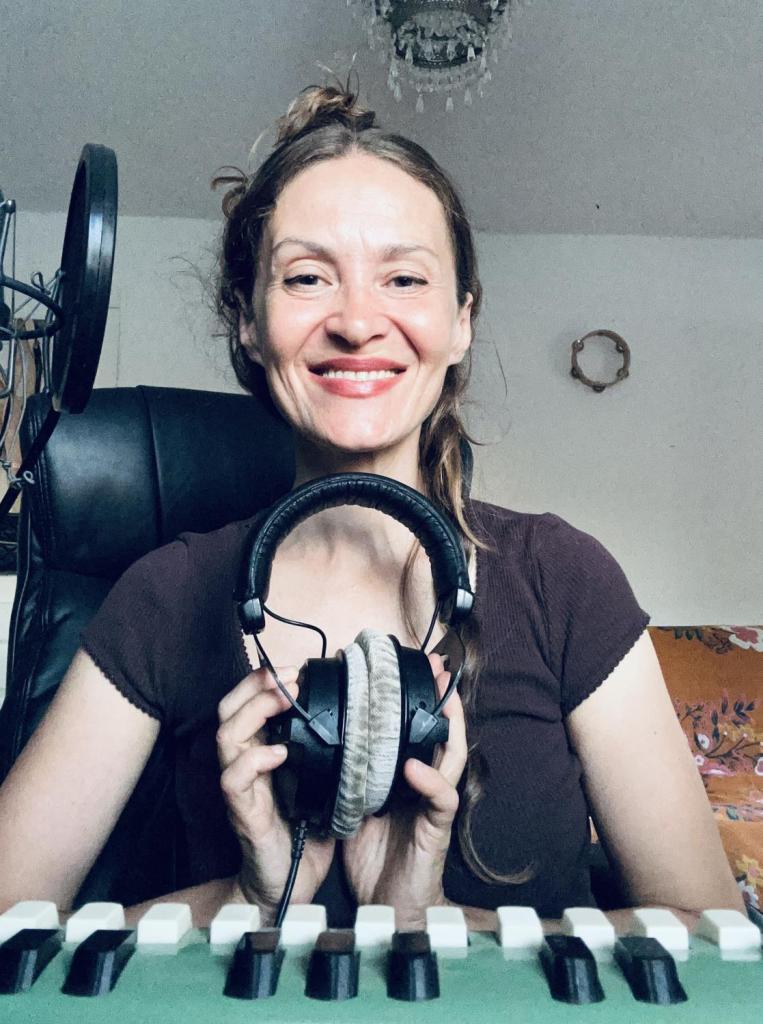
Photo credits: Tanja Tzarovska.
IAB: The score of Troy brought together epic cinema and something deeply human and intimate. How did you find the balance between being a vocalist and becoming part of the emotional architecture of the film itself?
TT: I knew I had to be the voice of tranquility and comfort. I took it seriously. The emotional architecture was indeed depiction of the suffering of every heart individually, not just “the people” of Troy. In such times of war and sorrow, a human being feels the most alone, even though we’re in it “together.” War times are times of division and conflict, even among those “on the same side.” It’s the ultimate defeat of harmony. We all saw that in all the wars and conflicts here in the Balkans and even the Covid Pandemic. And it is fear that is the biggest enemy. We should all fight together against Fear, and music fights fear like nothing else. Good music, good art, one that calms the heart, not scares it. I believe art should not be scary and disturbing, it should be telling a story, but it should not threaten and scare. Art is the ultimate manifestation of Divinity, and the divine never disturbs nor intimidates. It comforts.
IAB: Looking back on your collaboration with James Horner, what did you learn about the power of simplicity the way a single voice can sometimes express more than an entire orchestra?
TT: Hm, good question and point. James Horner said that he fell in love with my voice as soon as he heard it, and that it was what inspired him to take on the Troy project. I am forever grateful that he gave me such big responsibility. Even though there was nowhere for me to hide, no other vocals to disguise under. But it taught me the power of my own voice, which is one of the greatest life lessons, perhaps destiny itself wanted me to learn that. Every composer sees and experiences a story differently, which is beautiful actually, as diversity is the actual point of this existence experience. I think, to speak frankly, the truth there was in collaboration with the circumstances – Horner technically didn’t have enough time to properly dedicate to composing a new full-on score, so he had to act fast. He was incredibly skilled in battle scores, so he composed a new score as quick as he could manage and however he could manage, perhaps even basing new music on old templates (as a composer myself, I imagine that being one of the ways), and then as a contrast, created the image of one vocal that will act as The Voice of Destiny, as the Time that watches, mourns, heals and endures it all. And it worked, I believe, it reached exactly that ambience. Both composers showed me a huge respect as a creator and musician (even though I was practically a novice in the film-music world, back then). They trusted me and let me take leads in expression and in many cues, decide on the vocal lines myself. Which, for me was very liberating, that’s the way where a vocalist can have the space and freedom to go deep inside, and dig the real treasure out. Even though I was very young at the time, with many insecurities, personal and professional, like any young adult, I still think it’s that freedom that helped me withstand the task. And here it is, to witness, like you suggest and I’d like to believe, the power of a single voice in contrast to a huge orchestral or choral sounds. The intimacy that a single voice (or subject, in art) carries is magic, an essential element in artistic expression, one which often speaks louder than any crowd and brings remembrance to all of us personally, because we all have a voice of our own; and sometimes we need to be heard without anyone else interfering.
IAB: Your work with Jocelyn Pook often inhabits a fascinating space between the sacred, the cinematic and the experimental. What is it about her musical language that resonates so deeply with your own artistic spirit?
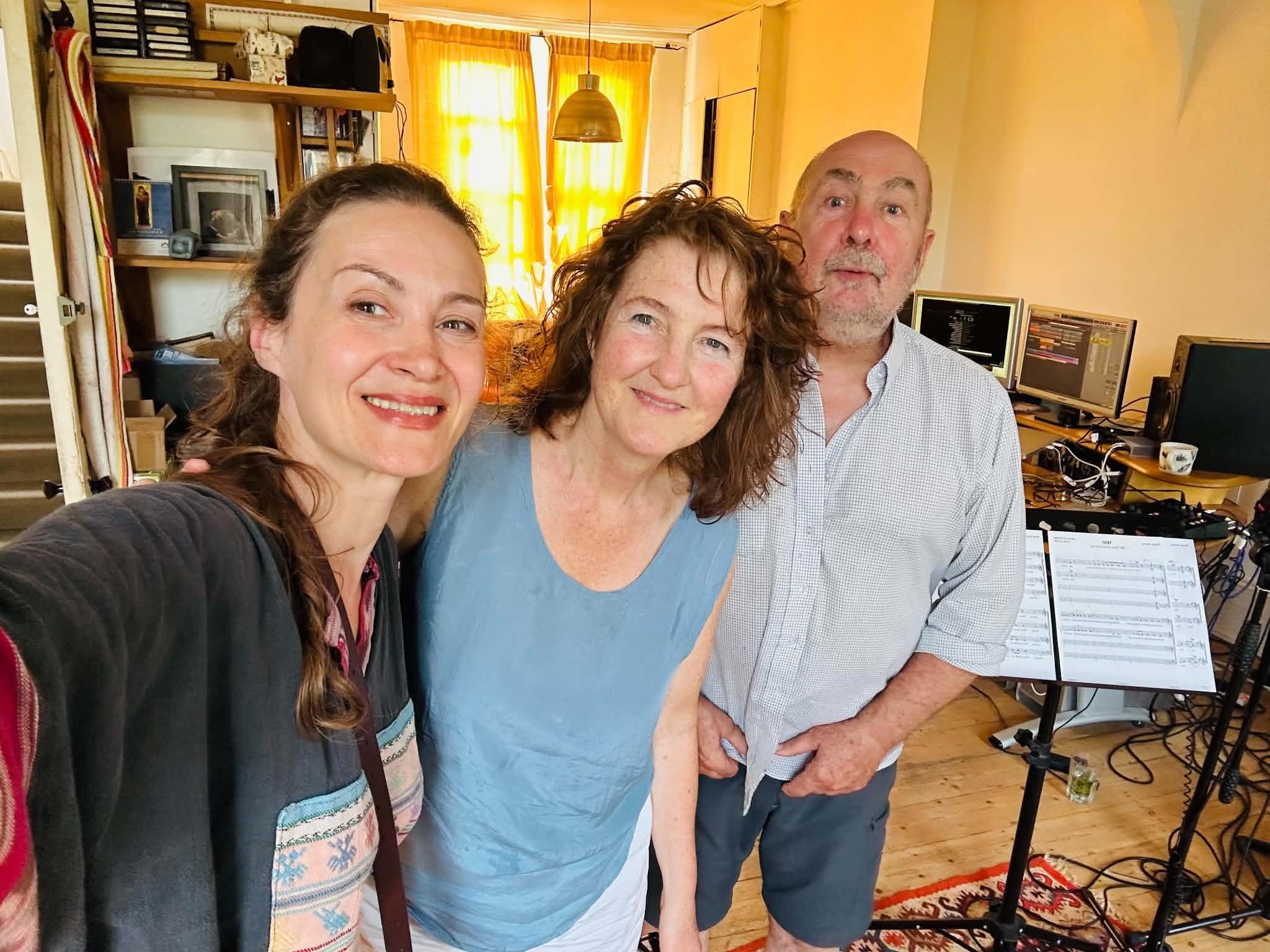
TT: You described it right, that’s Jocelyn Pook. She is a composer from another world. And one I’m so glad to be able to call a friend, also. Which answers your question, in a way. They say like attracts like and, I think, Jocelyn and I understand each other really well, musically. We seem to speak the same language when it comes to what we want to hear, and that also transfers to other general life beliefs and views. That also means that sometimes we can get stuck on a single cue-recording for much longer than we need to, repeating and repeating takes, but we are both perfectionists and can’t satisfy with “close enough”. Jocelyn’s music sometimes can even sound quite minimalistic to the listener on the other side, but yet so captivating, and I can assure you, there is no greater craft than that, in music composition. Less is more, it’s been said, but yet, for no “lack” to be felt (or heard, in this instance), is a musical gnosis that a soul simply carries through eternity, I believe. Or, draws from the ether, from the omni-spirit. Some humans seem to be souls whose initial purpose for existence was that to create beauty, and it comes so easily to them. It’s a default courage to be oneself. But also, it’s a special kind of genius to be able to create a rich musical part while disguising the mechanism of it, at the same time, and that’s exactly what Pook is great in. Like an expensive watch that looks so sleek and seamless that one thinks it’s easy to make, but the seamless things are the hardest to achieve. It’s such an artistry… Jocelyn and I met some 20 years ago, for just one small recording, and I never expected that it will become a musical relationship. It turned out to be that, a valued and wonderful collaboration. And I listen to her music still from a fan perspective, I listen to it privately, not because I’m featured on it or because I have to learn parts. And I learn from her so much in terms of composition but also courage in expression, experimenting. Taking different ideas you love, and styles from different parts of the world and putting them together in one piece to somehow work amazingly – it’s truly magical. And I have been super-inspired to do just that – write my own original compositions and integrate motifs from the Macedonian folklore in them, to be able to preserve them in my own, unique recipe. Then, whoever likes it can “eat”, whoever doesn’t, well, it won’t spoil, it just means there is more for us who do.

Photo credits: Tanja Tzarovska with Jocelyn Pook.
IAB: Although your career has taken you across the Europe, there remains a distinctly Macedonian soul in your music. In what ways has your homeland continued to shape your artistic voice and imagination?
TT: Yes, I travelled, got new outlooks and went through many phases, indeed. That’s what a seeking, inquisitive soul does, I guess. But I felt a calling – to return to Macedonia and my ancestral roots, not just physically, but as an artist. To me, the Macedonian music, created in the Macedonian energetic realm through the centuries and left to us as heritage is the most beautiful music there is, it’s the soothing balm for my soul, it’s a code activation. So, a Macedonian artist is naturally bound to return to it. A return doesn’t even have to be physical, but I do love my Macedonia and its energy. Often, I say, sometimes, even the most wonderful experience somewhere abroad doesn’t compare to the most ordinary day spent in Macedonia. Living close among its people and nature. It’s stronger than me, though very hard for many to understand and believe, as political-economic world movements have the ability to distance peoples from our true nature, make us ignorant and oblivious to the treasures of our homelands. But, for artists, being very sensitive to energies, we are the most at peace in the energy of our home, where we can be free to create without disturbances, and therefore, of our homeland, being the larger home. It’s a complicated relationship, anyway, as our homeland has gone through many kinds of devastations through the decades, centuries, but I refuse to give up on it. We are the ones to make our home – home, with everything each of us has to offer. And if we don’t do that, we’ll be forever “home-less.”
IAB: You have worked with many Macedonian musicians and composers over the years. What qualities do you believe Macedonian artists bring to the international stage that deserve greater recognition?
TT: Macedonia has amazing artists who create across many different genres and expressions. I don’t understand why there are not that many cultural exports from Macedonia. Many years ago, I witnessed the late Esma Redzepova in concert in the UK and it was such an eye-opening experience for me. I hadn’t realized how well known and loved she really is worldwide. There was a very long line of fans waiting for her autograph after the show, a river of people. And not Balkan people – it was the British people that were waiting with excitement for her to show up, in the lobby of The Barbican music venue. And I have been wondering, since then, why do we not have more artists like that, concerting solo at big venues across the world? Why is Macedonia hardly there on the map of world-famous artists? With so much musical talent around, why do we not have a “Mariza”, a “Concha Buika” or a “Cesária Évora?” Why do we not have a “Lisa Gerrard?” or a “Brendan Perry?” Or a Vangelis, or Zbigniew Preisner? Or even Macedonian equivalents of Demis Roussos, Nana Muskouri, or others like them? Or perhaps, our equivalents of Le Mystère des Voix Bulgares? I don’t know; is it meant to be like that for a reason? Are we meant to preserve something in its original state, instead of popularizing and desecrating it? Maybe… But none of the above mentioned left the country to find better career support abroad, they all became who they are from home! With domestic logistical support and domestic funding, no? With so many amazing singers and instrumental creatives, where have we gone wrong? And I realized, one of the reasons, and perhaps the biggest one, is that we don’t get enough internal support from within the Macedonian bodies who should finance and promote culture. We are kind of left on our own to wade through muddy waters, instead of someone out there with the money for culture (excuse my bluntness) recognizing true artistry and helping it soar high into the world. Why are they deaf to real beauty and divine gifts, or shall I say – quality? And if we don’t get that support from them, who are we meant to get it from? And of course, many of us have left the country to seek better luck abroad, confident in the feeling that we have something good to give this world. I don’t know, perhaps someone knows these answers better than me; I’d love to debate on these subjects and contribute somehow to clear the path for Macedonian artists to share their gifts with bigger audiences. Deep down, I really hope and feel that our time (Macedonians) is coming.
IAB: As both a vocalist and a composer, how does your creative process change when you are writing music yourself rather than interpreting the vision of another composer?
TT: Not many people who know me as a singer are aware that I also compose music (besides often composing my vocal lines on other composers’ projects or writing my own songs and arrangements). It’s a natural gift that I’ve always had but have somehow always postponed developing into a more serious career path. However, in the last 5-6 years I have been working rigorously on my own compositions and they’re just waiting for their time to emerge into the ether for everyone else to hear. That takes time and means, like I said. But I have faith, what’s good will eventually find the place it deserves (even if it’s 300 years later, like the Vivaldi case). So, being a composer myself is actually great when working with other composers, it really helps us understand each other better. I think it has been precisely my composing gifts that navigated my singing career in the direction of film/screen music, rather than a pop/rock/folk solo career. Composers are not often very skilled singers, so they love a good singer who can also create music, often on the spot. When working as a singer for another composer, I completely respect their vision, I transform myself into what they imagine their music to sound like, I try to tap into their creative emotions, not mine. But I really enjoy it, I like being that chameleon, it is all me, and I am it. I’m not pretending to be someone else – it’s my soul enjoying different roles and experiences. I don’t act, I shift into different realms. People have often said – you can sing anything! And yes, perhaps I can sing in many different styles and expressions, exactly because I have the ability to tap into different worlds. Like great actors do. When someone acts, you can see it. They are not playing “so and so” – they become “so and so”, without reservations, without hesitation or shame. They get “naked,” they reveal their deepest layer – the one that has the power to be anything it wants to be. When you watch or listen to someone who has entered another sphere – you forget everything else, you don’t see someone acting (or singing), you see someone being. That’s when they truly connect with the souls of the others – their “audience.”
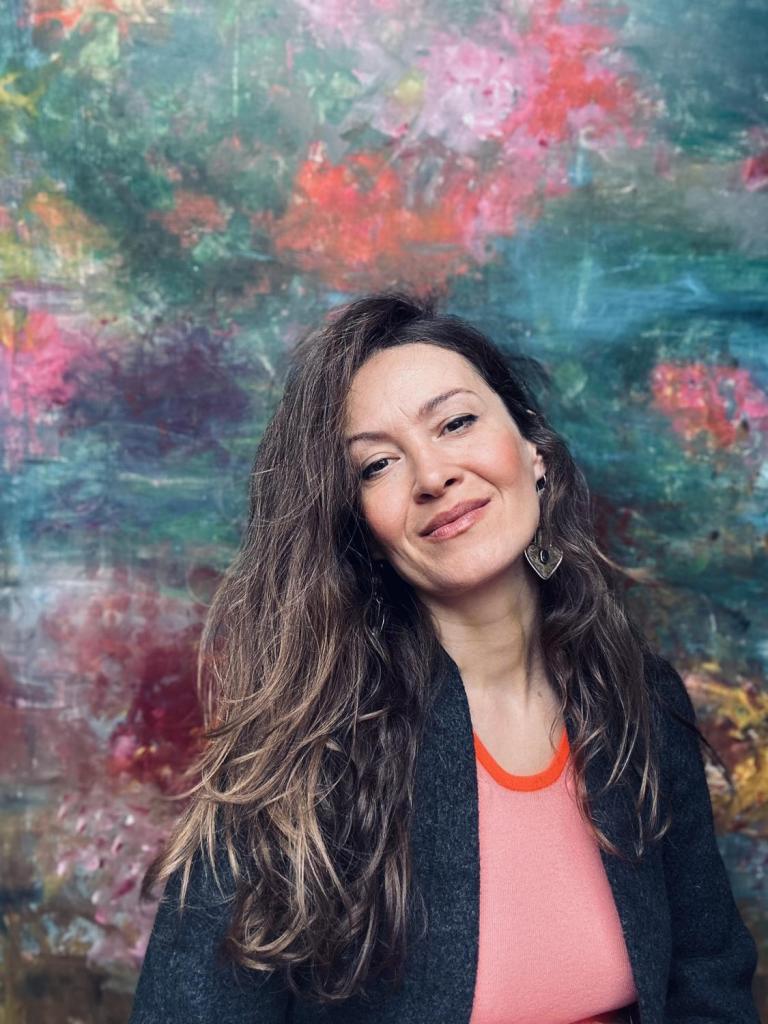
Photo credits: Tanja Tzarovska.
IAB: Your solo concerts often feel deeply personal, almost like conversations rather than performances. What kind of emotional journey do you hope audiences experience when they enter your musical world?
TT: For me, reaching intimacy is the purpose. I hope that we all tune into the same realm and all meet up there as energies, as souls, not as the names or persons we’ve learnt to identify as, here, in the mundane. So, in a way, I hope it is an OBE (out of body experience) for both me and the audience, in a place of beauty, a place of warmth, soul-safety or soul-searching; and a place of healing, in our true, deepest nature. Then, to “come back to our bodies” a little more healed, a little better and gentler as humans than we were before… and kinder to each other and to everyone else also, to those who were not present at the concert. That’s the point of it all.
IAB: Much of your career has involved applied music in film, theatre and multidisciplinary collaborations. What have these artistic encounters taught you about serving a story while remaining true to your own voice?
TT: They all taught me something different and valuable. A lot on that subject, as a composer, I have learnt from Gabriel Yared and Jocelyn Pook, both very European composers when it comes to film music. They do not write underscores, they write music that stands out and shows who they are, shows their blueprint. And they have, perhaps, even been marginalized in terms of Hollywood engagements, because of their originality, experimentation and non-conformism. But their dignity is something we should all have, as artists. But perhaps it comes with age as well, with wisdom. One learns how to be true to oneself. I would not do anything now that I don’t feel is my own voice, because I know that, in any art form, it is energy that travels and reaches other hearts, so if something is forced, it won’t have the desired feedback. Take a simple post on social media – when it’s written with an energy of truth and authenticity, heartfelt, it gets so much attention and reactions, people just “get it” because they feel it. But if something is written for, e.g. political or profit reasons, it often gets mass-criticized, even laughed at. Art is also energy in motion, it has to come from our heart in order to be able to move people. I believe it is the works that artists have done with love, from the depths of their hearts, without hidden motifs, that are classified as the greatest of all times. And it’s natural, the human soul recognizes itself in those works.
IAB: For young musicians in Macedonia who dream of building an international career, what wisdom would you share about preserving authenticity in a world that often rewards conformity?
TT: Do not rush into anything if you have hesitations. If you don’t feel that it is “you” – don’t pursue it. Whether that’s your music content or what you wear. That’s the first rule. If there is a slight feeling of discomfort – consider not doing it, or you will regret it later. It’s happened to me a few times in my early career back in Macedonia, so I give myself the liberty to advice. Another one is – don’t (EVER) pay money to become famous, invest only in something you believe is truly great and serves a greater purpose, not your own ego. Fame is great, but when it is used to serve the divine, to make a difference towards a better world, not when it is just to satisfy your own ego and temporarily silence the fears/insecurities. They are never satisfied, they emerge again, they are vicious little narcissists. But how to know the difference, how to discern what is what when you’re young? Well, accept your mistakes gracefully, that’s what’s left. Think about them, meditate on them, question them, tackle the essence of why you feel like you do, what should you do different next time? Shut the outside world out. That way, you keep returning to your origin, to the real self, so everything that is unnecessary, distracting noise will eventually leave you alone – and your own divine gift will stay to flourish. And of course, goes without saying, practice a lot, practice everything, from voice training to stage manners. Very often, it takes discipline to be able to meet your true self and discover what you’re capable of. That “self” will always give you the best pieces of advice for your career as a professional artist.
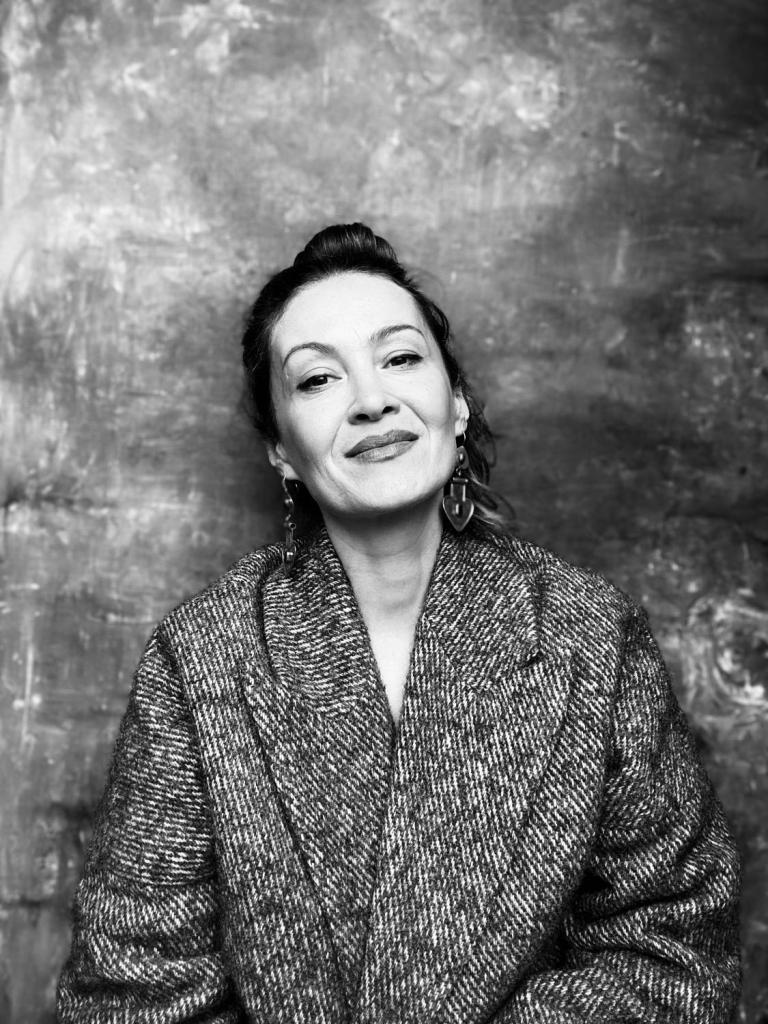
Photo credits: Tanja Tzarovska.
IAB: Do you believe music is something we create, or something we spend our lives learning how to hear?
TT: When we listen, we must discern the material created by someone’s mere ego from the material that has been channeled by sacred energy. Music is already created, it’s there, in the ether, we just need to become carriers of it, we are the mediums, all of us. In creation, we channel the divine. In listening, we channel the divine even further, we are the receivers, the purpose is fulfilled. And then every receiver goes on to emit its own vibrations out, based on what they received. That’s how electricity works, and the world is run on that “electricity”. So, whatever we create or consume – that is the kind of world we will live in. Lest we forget that.
IAB: Throughout your journey, have there been moments when music seemed to know where you were going before you did? … and if you could sit today with the young Tanja who was just beginning her artistic journey, what would surprise her most about the life that music has given you?
TT: Absolutely, and you, Ivanka, being an artist yourself, can very well know that. Music always knew where I was going, though I did not. I was just following the journey “through the enchanted forest.” A simple, material-world example of that is that I didn’t even know that I’m singing on The Passion Of The Christ until the day I walked in AIR studios in London and “bumped into” Mel Gibson there, who kept me company in the very recording booth, throughout the entire recording of my vocals. He was totally involved. That film and soundtrack became one of the most successful ones in history. No one really knew that would happen, eventually. No Hollywood big film studio wanted to finance the project. I had no idea what I’m working on! Aren’t those surprises the best things in this world of creativity? The path taking you somewhere, really magical at times? I think so. I think the young Tanja is also smiling, from her “purpose-block, one-bedroom-for-a-family-of-four” home in area Crkviste, Resen. And from the hills she ran across, playing hide-seek with her friends, from the Prespa lake dips and from the trees she climbed in other people’s gardens to steal fruit. We have both been on such a magical and totally unexpected journey so far. But in a way, we also knew something like that is coming because “we” always believed in magic.
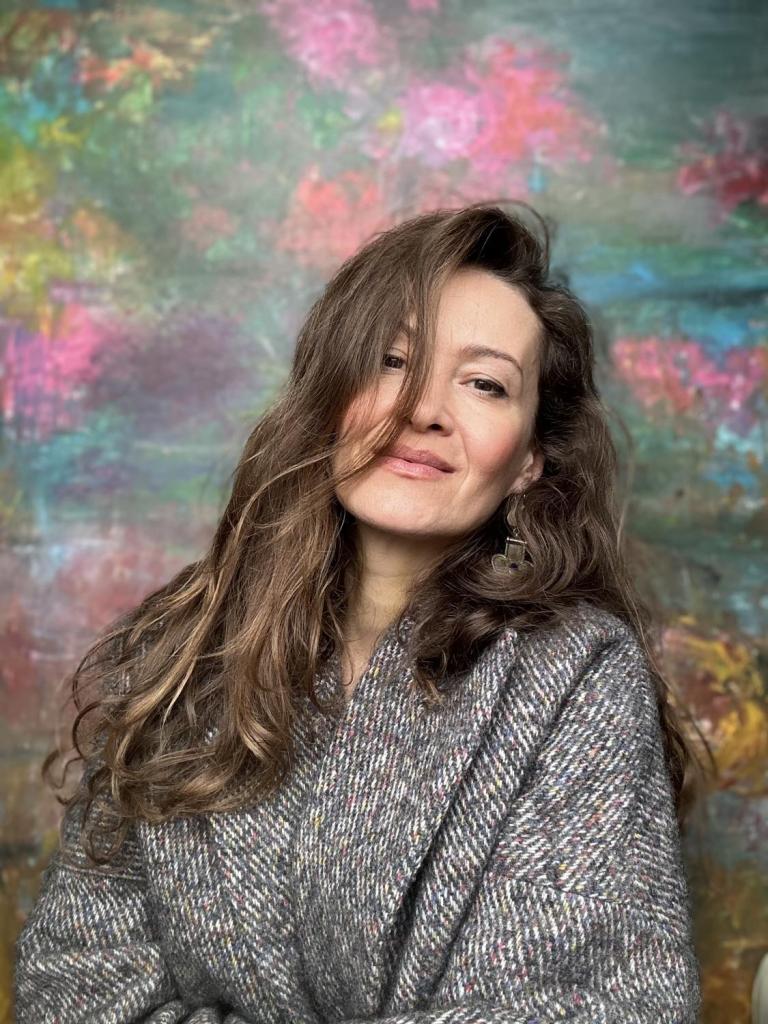
Photo credits: Tanja Tzarovska.
IAB: Some voices entertain, while others transform a space the moment they are heard. When did you first realize that your voice carried a responsibility beyond singing? … and how are your achievements and the quality of your voice valued in R.N. Macedonia?
TT: Thank you for the wonderful input. It took time for me to realize that I had that responsibility, even though my subconscious always carried that knowledge. It was only when I let go of the burdens of being “a great singer” and simply surrendered to becoming “a channel” of the divine that I started receiving the feedback of awakening “an ancient divine wisdom” in people. But it was a process. And it is still ongoing. One tries to find themselves and what they’re here for. I’m definitely a late bloomer as an artist in this life, I see myself as that, knowing what I’m capable of but still haven’t released. Even though I’ve been in music practically since nursery. In fact, literally, now that I said that, the carers in my kindergarten had me give hold solo concerts for all the other children every few days. It was so funny actually, in order for the kids to calm down, I was the carers’ “card they used to pull from their sleeve” when chaos rose and became uncontrollable. They’d clap their hands and go: “Come on, everybody, all sit down now, we are having a concert!” And I was the one carrying those concerts, solo and a cappella, against an audience of some two hundred kids. And they all watched and listened, calming down like hypnotized! I should have realized the responsibility then, I guess, if it was that simple. But insecurities and voice mutations do their own thing, so confidence is a rollercoaster. I grew up at a very strange era for singers, a transitional one, right between the eras when recording artists were only the handful truly great ones, and the era when everyone could record themselves and instantly post it publicly. So, it was a confusing journey. But these transitional times also taught us another great lesson – that we all have our own reality and unique path, there is no other “me,” so we should never ever compare ourselves to anyone else. Just work on our own upgrade. And the path is not linear. We are meant to learn a lot on it, enough to make us qualify to be a true example for others who will follow; a symbol of endurance, of individuality, of timelessness. And, if Macedonian people are not ready to recognize and value that in every wonderful artist that blossoms here, and see it as a true privilege, then they have a lot to lose and learn, themselves. The true great artistic spirit will always find a way to shine; energy travels in unseen ways. But still, it’s strange, we have one of the oldest languages and oldest musical heritages in the world, we are one of the “most musical nations” in the world, yet most artists here are still struggling, even the ones that have proven their greatness and already left an incredible cultural heritage behind. Most of them, if not all, still have to find other ways to feed their families and pay their bills. You remember how the great Vanja Lazarova was pretty much forgotten by “the administration”, discovered accidentally living in an old people’s home, when someone was doing a documentary about the very home? And that’s when the administration decided to give her an artist’s pension!? I’ll never, ever forget that. How can we allow such “catastrophes?” How can the state administration leave artists so much on their own? Who is there sitting in those chairs, in those offices, that forgets people like Vanja? Would that happen to Fairuz, the Gem of Lebanon? Never! She is valued like a Goddess in her country, because what artists carry is indeed divine, yet our culture officials seem to be blind to the divine. Is it because only the divine recognizes the divine; for the rest, it can be mistaken for garbage? I don’t know, I’m not judging with anger, I’m just asking the ones who hold the budget for culture – are you capable of seeing the bigger picture and stop falling in the budget corruption traps? Do you know that it is art and culture that keeps our civilization actually alive, instead of in survival mode? Something’s got to change, don’t you think? I’m not here to pretend I’m all high-vibe and spiritual – I am here to BE high-vibe and spiritual, and that takes some work of truth-speaking! I take this opportunity, though, to thank all those individuals, from Macedonia and the world, who really do show me that I am valued. Who show me that I’m here for a reason, to serve, to heal. It means more than you think and more than I can express. No matter how strong we are in knowing our worth (and we should know it, if we want to show it. I don’t believe in modesty when it comes to being an artist, what’s the point then?). But the interaction is what it’s all about. The exchange of love, ultimately. And for all those who humbly show their love and support, I go and create more.
IAB: Thank you very much, dear Tanja Tzarovska.
(Skopje/London/Prespa, 2026)
This post was written by the author in their personal capacity.The opinions expressed in this article are the author’s own and do not reflect the view of The Theatre Times, their staff or collaborators.
This post was written by Ivanka Apostolova Baskar.
The views expressed here belong to the author and do not necessarily reflect our views and opinions.