





For a lot of players in Canada, the move from online poker to a live table feels bigger than expected.
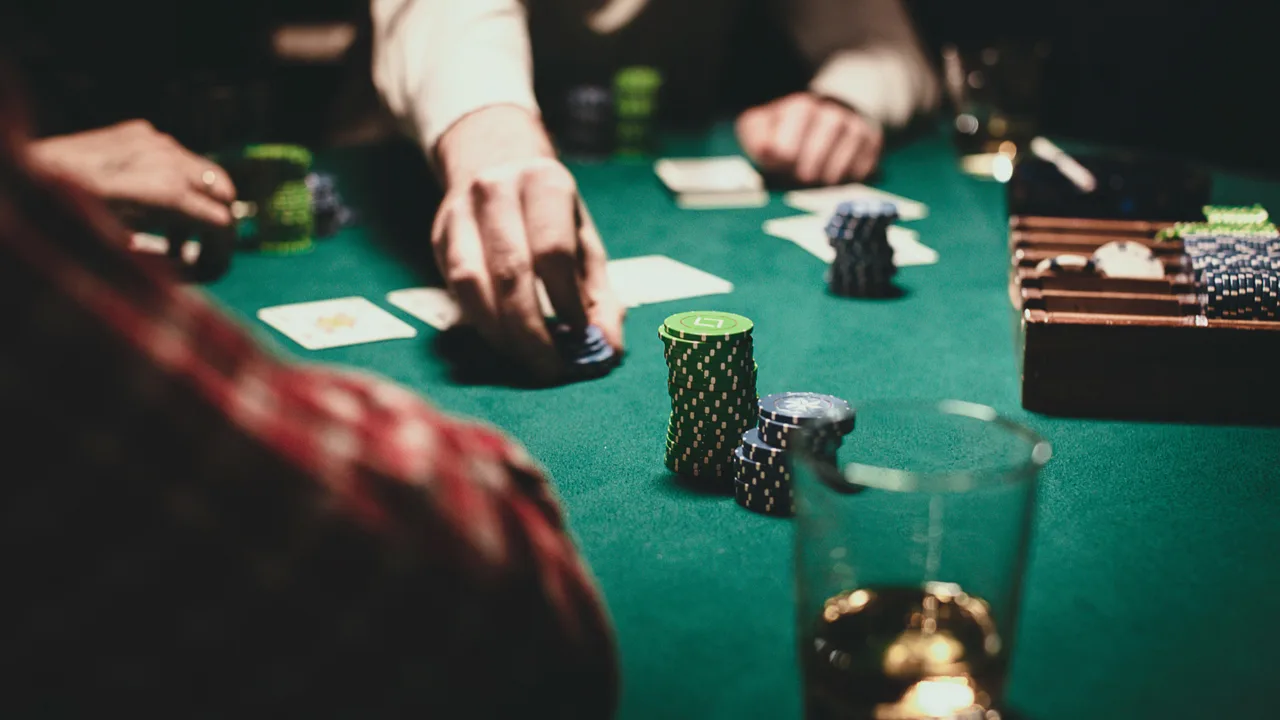
On paper, it is the same game. Same rules, same decisions. But the moment you sit down in a real room, things slow down. A lot. The rhythm changes, the pressure feels different, and suddenly there is more to think about than just cards and bets.
It is not really about switching formats completely. Most players do not. It is more about learning how to carry what you already know into a setting where everything plays out in the open.
What Feels Different Right Away
The pace hits first. Online, you are used to constant action. Hands come quickly, sometimes too quickly. Live tables do the opposite. There is waiting. A lot of it. And if you are not ready for that, impatience creeps in.
Then there is the loss of tools. No stats popping up. No automatic calculations. You have to keep track of things yourself. Pot size, stack depth, tendencies, all of it.
And of course, people are right there in front of you.
That changes everything. Now posture matters. Timing matters in a different way. Even silence can mean something. You are not just reading bets anymore, you are reading behavior.
Adjusting Without Starting Over
The biggest mistake is thinking you need to rebuild your strategy from scratch.
The core ideas still hold. Good hand selection, awareness of position, managing risk, all of that carries over. What changes is how you apply it.
For example, tighter play tends to work well in live settings. Not because the theory is different, but because the slower pace rewards patience more than volume.
Timing also becomes visible. Online, acting quickly might not matter. Live, it does. If you always snap-call or always hesitate, people notice. It builds a pattern whether you intend it or not.
Then there is table presence. You do not have to talk, but you cannot ignore the social side completely. How others see you can influence how they play against you.
What Actually Matters During the Transition
A few things tend to make or break the adjustment.
Staying focused is one of them. The slower pace can drain attention if you are used to constant action. The trick is not forcing hands just to stay involved.
Observation becomes more valuable than ever. Watching how people bet, how long they take, how they react. It fills the gap left by missing digital stats.
Mental calculation matters too. You will not always get exact numbers, but you need a good sense of where things stand.
Emotional control, same as online, maybe more so. The difference is you cannot hide it behind a screen.
And then there is the image. Whether you think about it or not, others are forming an opinion about how you play. That affects everything.
Two Common Situations Players Run Into
Take someone who is used to multitabling online.
They sit at a live table and suddenly feel bored. The instinct is to play more hands just to stay active. That usually backfires. A better move is to lean into observation, use the downtime, and gather information.
Or consider a player who relies heavily on tracking data.
Live, that data is gone. At least in the same form. So they start building it mentally instead. Who raises often, who hesitates, who plays cautiously. It takes effort, but it works in a different way.
Why Mixing Both Formats Actually Helps
A lot of players in Canada do not choose one or the other. They move between both.
Online play sharpens decision-making through repetition. You see more situations in less time. You can review, adjust, refine.
Live play slows things down and forces awareness. You pick up on details you would miss online. You learn patience in a way that is hard to replicate digitally.
Together, they cover each other’s gaps.
Conclusion
Moving from online poker to live tables is not as simple as it sounds, even if the rules stay the same.
The pace shifts. The information changes. The environment becomes more personal, more visible. But the foundation is still there.
Players who take the time to adjust, rather than rush the process, usually find that both formats start to make more sense together. One builds speed and structure, the other builds awareness and control.
And somewhere in the middle, the game starts to feel complete.